Growing Monkey Grass: Your Guide to the Perfect Shade Perennial
Liriope, commonly referred to as monkey grass, is a robust and adaptable perennial known for its striking foliage and vibrant purple-mauve flower spikes. If you're considering landscaping ideas for your garden, this easy-to-cultivate plant should definitely be on your list, especially for those seeking continuous visual appeal.
This evergreen perennial hails from Asia, particularly China and Japan, and offers remarkable adaptability to various growing conditions and preferences.
Monkey grass typically forms dense clumps of evergreen, grass-like leaves, making it an excellent choice for ground cover. It thrives in partially shaded areas, making it perfect for planting beneath trees or among established shrubs. While it is quite versatile, monkey grass flourishes best in moist but well-draining soil, ideally with a mix of sun and shade.
Known for its arching, grass-like leaves, monkey grass produces spikes of small, predominantly mauve flowers that bloom from late summer to early fall. These flowers are followed by appealing berries, ensuring that this plant delivers year-round interest in any garden setting.
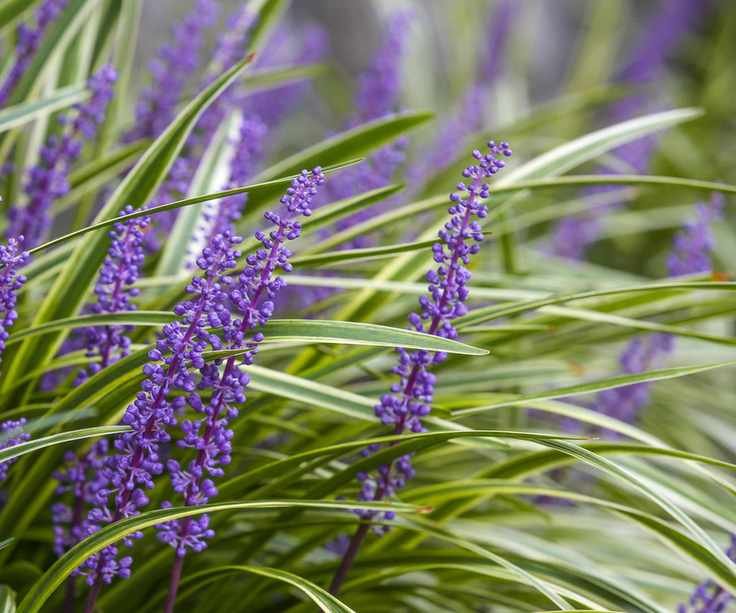
How to Cultivate Monkey Grass
Monkey grass is an ornamental evergreen that is both versatile and resilient. By adhering to a few straightforward guidelines, you too can successfully cultivate liriope in your garden.
Key Considerations for Growing Monkey Grass
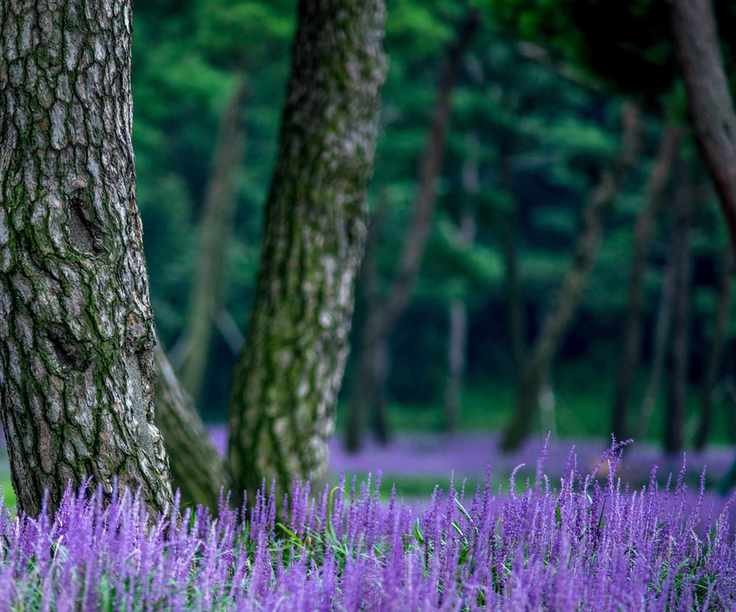
Monkey grass, or liriope, is an excellent low-maintenance option featuring evergreen, grass-like foliage that is understated yet effective in filling gaps in garden borders. Whether your space is large or small, monkey grass could be the ideal plant to try this year, whether for lining pathways, growing under large trees, or simply as an evergreen accent in your flower beds.
'Liriope is a resilient choice for borders or as ground cover,' shares Mike Murphy, a gardening expert and owner of You Had Me At Gardening. 'It is also relatively resistant to pests and diseases,' Mike adds, meaning that once you plant your monkey grass, it can thrive with minimal attention. 'Once established,' he notes, 'liriope is quite low-maintenance.'
This hardy and tough evergreen perennial can grow well in various conditions. Generally, you can cultivate monkey grass within US hardiness zones 4 through 10, tolerating both extreme cold and heat. It also exhibits drought tolerance for brief periods. Planting in a moist, partially shaded area will yield the best results.
Several species and varieties of liriope are available for purchase online or at your local garden center. The standard dark green variety is widely accessible and reasonably priced, like the Liriope muscari 'Big Blue' from Garden Goods Direct. Some varieties, such as the Liriope muscari 'Variegata' from Garden Goods Direct, feature attractive variegated leaves and stunning mauve flower spikes.
If you're looking for something unique, consider the Liriope spicata 'Gin-ryu' from Garden Goods Direct, which features dark green foliage adorned with striking silver-white markings. When grouped together, this variety appears almost silver.

Mike has a rich gardening background, having grown up caring for plants with his family. He takes pleasure in his backyard orchard filled with dwarf fruit trees, raspberry and blackberry bushes, and raised garden beds. In addition to his perennials, Mike enjoys planting new fruit and vegetable seeds every spring.
Purchasing Monkey Grass Plants Online
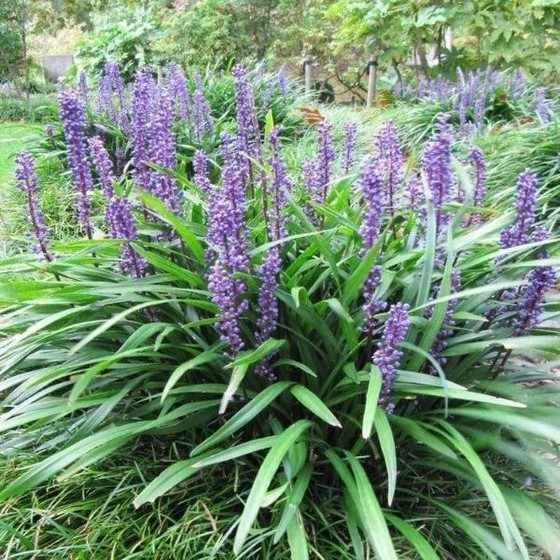
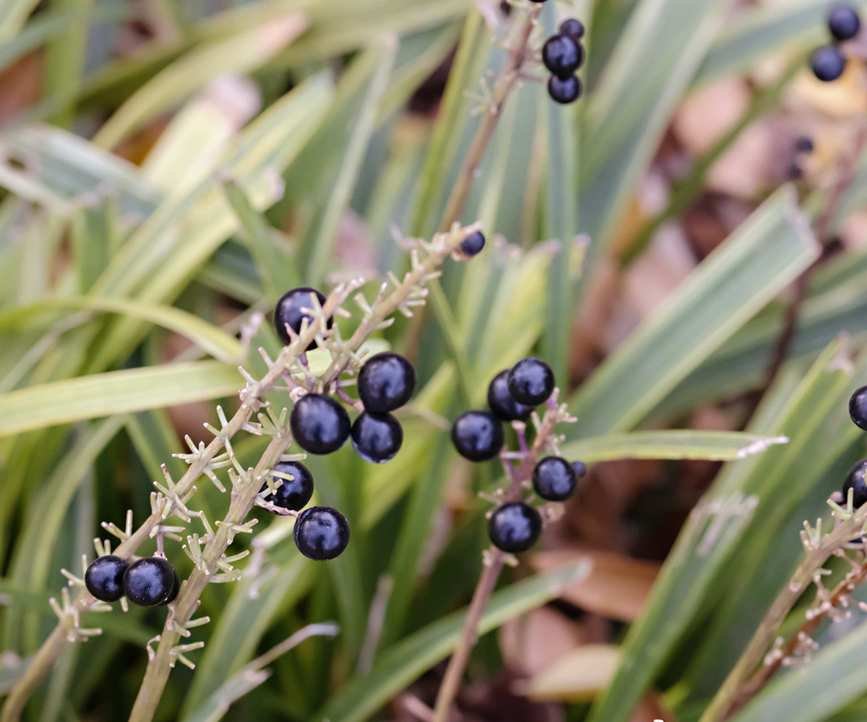
This monkey grass, Liriope muscari 'Big Blue', features blue flower spikes that rise above dark green, grass-like foliage. After blooming, the spikes yield clusters of beautiful black berries that often persist into winter.
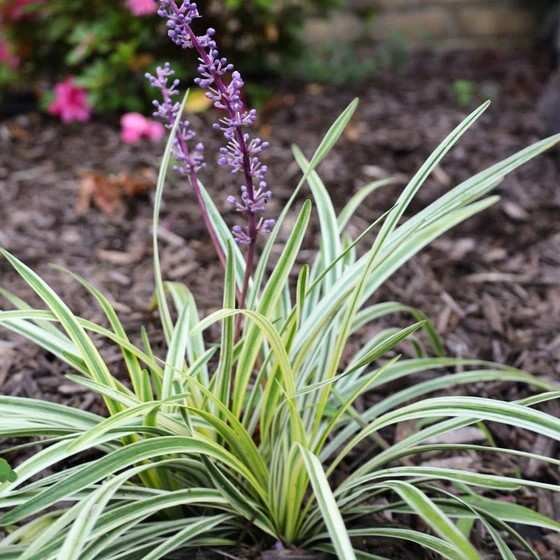
This variety, Liriope muscari 'Variegata', showcases tufts of vibrant yellow-striped foliage. Use Variegated Liriope to add color to your garden; lilac flowers bloom in summer.
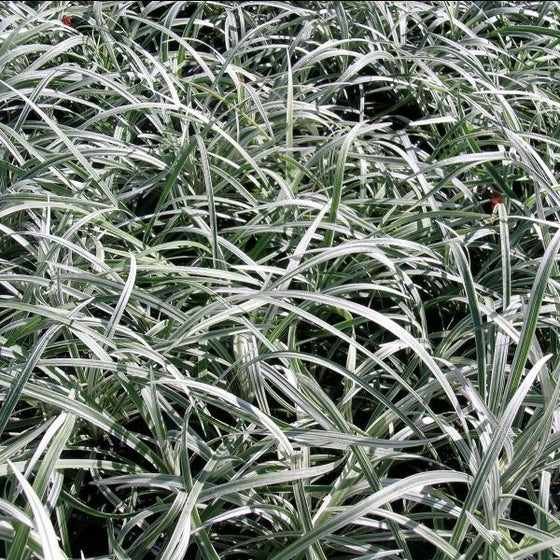
This resilient perennial, Liriope spicata 'Gin-ryu', features dark green, grass-like foliage highlighted by silvery-white vertical stripes. In the summer, it produces pale purple flowers.
Essential Tips for Growing Monkey Grass
- Soil: 'Liriope, or monkey grass, flourishes in well-drained soil,' advises Mike. They prefer moist yet well-draining conditions, so it's wise to avoid overly soggy spots. Although monkey grass can withstand brief periods of drought, applying a layer of mulch or bark chips in the fall can enhance the quality of dry soil. 'Mulching around the plants helps retain moisture and suppress weeds,' Mike adds.
- Light: This plant is 'adaptable to various light conditions,' says Mike. It is 'particularly tolerant of shade, making it an excellent choice for areas with filtered sunlight or partial shade.' This adaptability is why many garden designers and gardeners favor monkey grass for tricky spots like planting beneath trees. Interestingly, in addition to thriving in shade, liriope can also handle full sun, making it a versatile option for different garden settings.
- Watering: After planting, ensure that you regularly water your liriope, especially during warm spells. This is particularly important during the first year after planting. Mike emphasizes that monkey grass thrives with 'consistent, deep watering.'
- Fertilizing: When considering how to feed monkey grass, Mike suggests using 'a balanced fertilizer in spring and summer to support healthy growth.' He warns against over-fertilizing, as this can lead to excessive foliage at the cost of blooms. Always adhere to the fertilizer instructions, ensuring the right amount is diluted in water, and repeat only as often as recommended. As Mike points out, too much fertilizer can yield more foliage while compromising flower production.
- Pruning: 'Liriope is a grass-like plant that benefits from pruning to maintain its tidy appearance,' Mike explains. This is best done in 'late winter or early spring before new growth begins.' While 'mowing is not recommended, you can use hedge trimmers to cut back the foliage to a few inches above ground.' Alternatively, a slower, more traditional approach is to use secateurs, trimming back the foliage and leaving small monkey grass clumps one to two inches above ground.
Frequently Asked Questions
Can I Grow Monkey Grass in Full Shade?
Monkey grass is exceptionally versatile and can thrive in both sunny and shady environments. For optimal results, it's recommended to plant monkey grass in a partially shaded area, such as beneath a small tree or shrub, where it can receive some sunlight for a few hours each day.
This will assist in flower development during the summer. While monkey grass can survive in full shade, it may produce few or no flowers, so keep this in mind when planting in total darkness.
Monkey grass is a popular and appealing choice for ground cover, under shrubs, or along pathways in your garden. Consider incorporating other perennial or evergreen plants that thrive in shaded areas to maximize greenery in your outdoor space.