Exploring Modal Fabric: Is It Moisture Wicking and Breathable?
Exploring Modal Fabric: Is It Moisture Wicking?
Modal fabric is celebrated for its moisture-wicking abilities, making it perfect for activewear and summer clothing. This article examines modal's moisture management, compares it with other materials, and discusses its various uses. Derived from beech tree pulp, modal is softer, more breathable, and eco-friendlier than many synthetic options. It can absorb up to 50% more moisture than cotton while effectively regulating body temperature. Ideal for a range of clothing, including activewear and loungewear, modal is easy to care for and retains its quality with proper maintenance.
What Is Modal Fabric?

Modal is a semi-synthetic fiber made from cellulose sourced from beech trees, including hardwoods like birch and oak. The production involves transforming wood pulp into a viscous solution, which is then spun into fibers. This process yields a fabric that merges the best traits of natural and synthetic materials, known for its softness, breathability, and durability. Modal is designed to provide a unique balance of comfort and performance.
A key aspect of modal is its environmentally friendly production. Unlike many synthetic fabrics, modal uses fewer chemicals and produces less waste, making it a more sustainable choice for eco-conscious consumers. Sourced from renewable beech trees, it results in a fabric that feels good while minimizing environmental impact through responsible practices.
When compared to other fabrics, modal stands out for:
Its luxurious feel.
Lightweight, silky texture, perfect for intimate apparel and activewear.
Superior moisture-wicking capabilities compared to cotton, making it ideal for warm weather and physical activities.
Whether combined with other fibers or used alone, modal remains one of the most comfortable fabrics available, highlighting the advantages of natural fibers.
Moisture-Wicking Properties of Modal

Modal is famous for its moisture-wicking traits, which help keep the body dry and cool. This is especially beneficial during physical activity or in warmer climates, where staying dry is essential for comfort. The fabric's ability to draw moisture away from the skin enhances temperature control, ensuring comfort in various conditions.
A standout feature of modal is its superior moisture absorption:
It can soak up to 50% more moisture than cotton, effectively keeping skin dry.
This quick-drying quality is advantageous when washing or sweating during workouts.
The closely woven fabric contributes to its lightweight and breathable nature, enhancing comfort in warm weather.
Modal's breathability further distinguishes it. The fabric allows excellent airflow, promoting sweat evaporation and reducing moisture buildup on the skin. This not only keeps wearers feeling fresh but also lowers the risk of skin irritations and bacterial growth.
Overall, modal's moisture-wicking features make it a versatile choice for various clothing applications based on specific needs.
How Modal Regulates Body Temperature
Modal excels in moisture management, helping to regulate body temperature. Its capacity to absorb and wick moisture prevents sweat buildup, keeping the wearer dry and comfortable—particularly in warm climates.
Modal's breathability also supports temperature regulation. Compared to synthetic fabrics like polyester, modal allows ample airflow, aiding in sweat evaporation and helping keep the body cool. This makes modal garments excellent for activities that promote perspiration, like workouts or outdoor excursions in hot weather.
The silky feel of modal enhances its comfort and effectiveness in managing temperature. Its ability to balance heat flow ensures wearers stay comfortable whether relaxing or engaging in physical activity. In essence, modal offers a great mix of breathability, moisture-wicking, and temperature control, making it an ideal fabric for comfort in warmer climates.
Benefits of Moisture-Wicking in Modal Fabrics
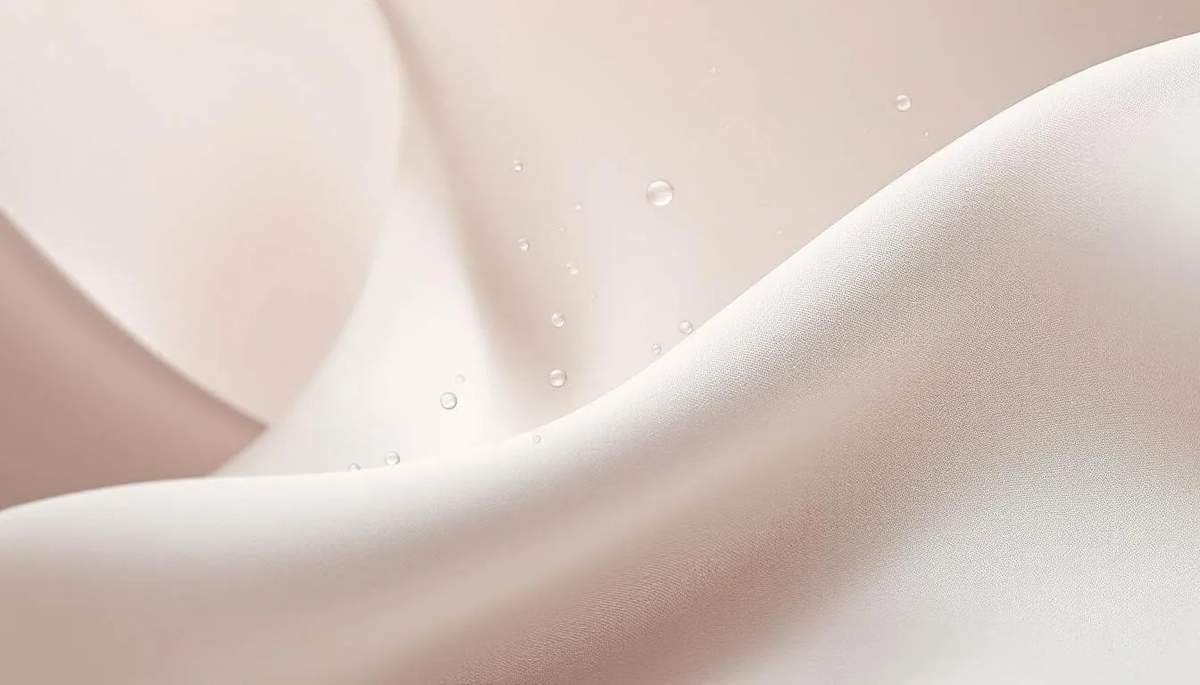
The moisture-wicking properties of modal provide unique advantages that make it an outstanding choice for various applications:
It keeps the skin dry, enhancing overall comfort.
It's perfect for activewear and intimate apparel.
Whether exercising or relaxing, modal ensures you stay cool and dry.
Another benefit of modal's moisture-wicking abilities is the reduction of bacterial growth. By keeping the skin dry, modal helps minimize conditions that promote bacteria, reducing odors. This makes modal garments less likely to retain unpleasant smells compared to cotton.
Moreover, modal is hypoallergenic, with minimal risk of skin irritations or allergies, making it a great option for sensitive skin. Its luxurious softness and eco-friendliness further enhance its appeal, offering a hygienic fabric choice for a wide range of clothing items.
Comparing Modal with Other Moisture-Wicking Fabrics

A significant difference between modal and cotton is its superior moisture-wicking performance. Modal absorbs 50% more moisture than cotton, enhancing wearer comfort and dryness. Additionally, modal's breathability complements its moisture-wicking properties, making it a more effective choice for temperature management. The distinctions between modal and cotton highlight modal's advantages in moisture control.
While polyester is popular for its durability and wrinkle resistance, it lags behind modal in moisture management. Recycled polyester tends to retain moisture, causing discomfort during extended wear. Although durable and easy to maintain, modal's superior moisture-wicking and breathability make it a more comfortable option, especially in warm conditions.
Bamboo fabric also competes in the moisture-wicking category:
Bamboo often outperforms modal in moisture absorption.
However, it may not match modal's durability.
Modal excels in its blend of softness, durability, and moisture management.
Modal is a versatile choice for many applications.
In summary, modal's unique characteristics position it as a superior option among moisture-wicking fabrics, offering distinct benefits.
Applications of Modal in Everyday Wear
Modal's moisture-wicking properties make it a top choice for sportswear and activewear. Its ability to keep the body dry and cool during physical activities enhances both performance and comfort. Whether running, cycling, or practicing yoga, modal garments ensure comfort throughout your workout.
Its softness and breathability also make modal ideal for intimate apparel. The fabric's smooth touch against the skin and moisture regulation provide unmatched comfort, making it a favorite for underwear, bras, and sleepwear. Modal's lightweight nature allows for easy movement, further enhancing its appeal in intimate wear.
Beyond activewear and intimate items, modal is frequently used in casual and loungewear. Its luxurious softness and moisture-wicking abilities make it perfect for everyday clothing prioritizing comfort and ease of movement. From t-shirts to pajamas, modal fabric serves as a versatile and comfy option for various clothing needs.
Care and Maintenance of Modal Garments
Caring for modal is simple, ensuring the fabric maintains its luxurious feel and longevity. Here are some tips:
Modal is machine washable.
Wash after every use, especially for activewear, to withstand repeated cleaning.
Use cold water with mild detergents.
Avoid bleach and harsh chemicals to preserve fabric quality.
For optimal care:
Air dry or tumble dry on low to minimize wrinkles and maintain fabric integrity.
Use a low heat setting when drying.
Iron on the reverse to prevent shiny spots.
Store properly to maintain the fabric's luxurious softness and appearance.
If you prefer bright, fresh-looking clothes, use oxygen bleach to brighten modal without the harsh effects of chlorine. To avoid excessive wrinkling, hang or fold modal garments neatly after washing. These straightforward care practices help keep modal garments as wardrobe staples for years.