Essential Tips for Cleaning Wine Glasses to Keep Them Spotless
Whether you're preparing for a dinner party and want to avoid cloudy glasses detracting from your table setting, or simply aiming to maintain your delicate stemware, mastering the art of cleaning wine glasses is crucial.
It's vital to avoid tossing your wine glasses in with the general dishware during cleaning. Poor cleaning methods can lead to hard water stains on your glass or even alter the taste of your wine.
We consulted experts to gather their top cleaning advice. Follow these four straightforward steps to keep your wine glasses pristine, clear, and damage-free.
Proper Methods for Cleaning Wine Glasses
According to Jade Piper, Operations Manager at BetterCleans, sorting your glasses by type—such as wine glasses, tumblers, and other delicate items—can streamline the cleaning process. Washing them in batches ensures a thorough clean.
Due to their unique shapes and varying levels of fragility, wine glasses require specific care. By categorizing them based on style and sensitivity, you can clean them effectively without risk of damage.
1. Hand Wash Your Glasses
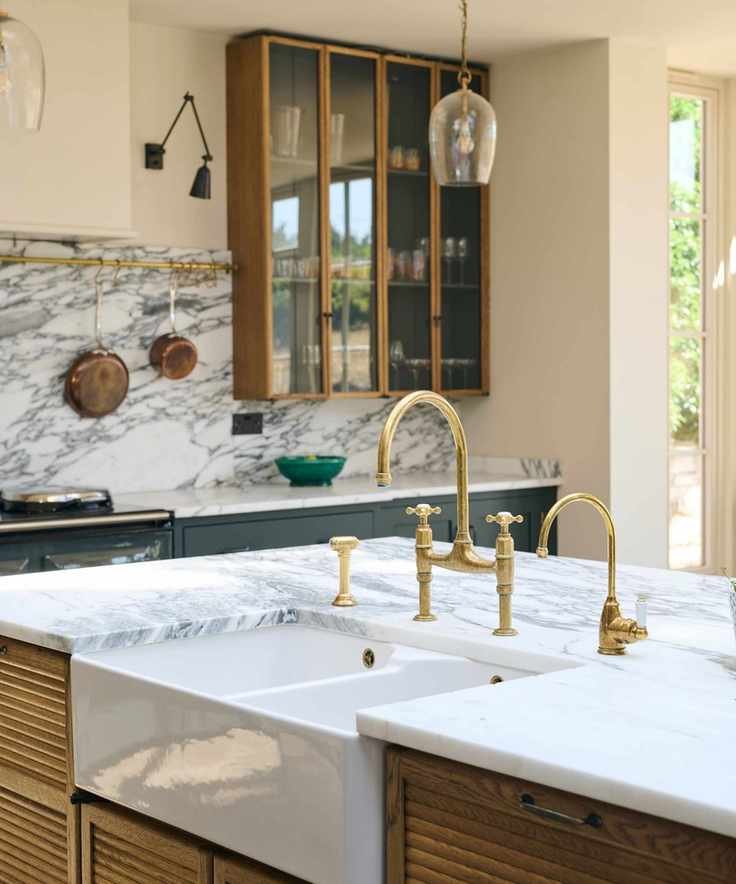
The gentlest way to clean wine glasses is through handwashing, which helps prevent etching or cloudiness. Here's how to do it like the experts:
- Start with warm water and a small amount of mild, unscented dish soap. It's crucial to avoid hot water, which can shatter crystal, and cold water, which might not clean effectively. Be careful not to use too much soap, as this can leave a film that clouds the glass and might affect your wine's flavor. Steer clear of harsh cleaners as well, as they could damage the glass.
- Use a soft sponge or cloth to gently clean both the inside and outside of the glass. For hard-to-reach spots, like the bottom of tall glasses, consider using a cleaning tool with a handle to protect the rim. For narrow glasses, a bottle brush is a handy tool to reach those difficult areas, as suggested by Jade Piper.
- Change the soapy water if it becomes cloudy or excessively dirty to prevent any streaks or marks on your glasses.
- Pay special attention to the rims and bases, as these areas can accumulate residue.
- After washing, rinse thoroughly to eliminate all detergent, as it can affect the taste of your wine.
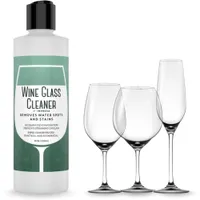
IMPRESA Concentrated Wine Glass Cleaning Liquid | $9.99 from Amazon
This unscented cleaner is designed to speed up evaporation, helping to prevent water spots.
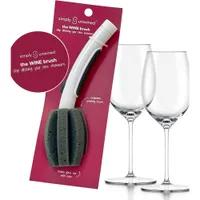
Simply Unwined The WINE Brush | $13.99 from Amazon
This wine glass cleaner features a soap dispenser that allows you to safely clean the inside without risking damage to the rim.
2. Hand Dry Your Glasses
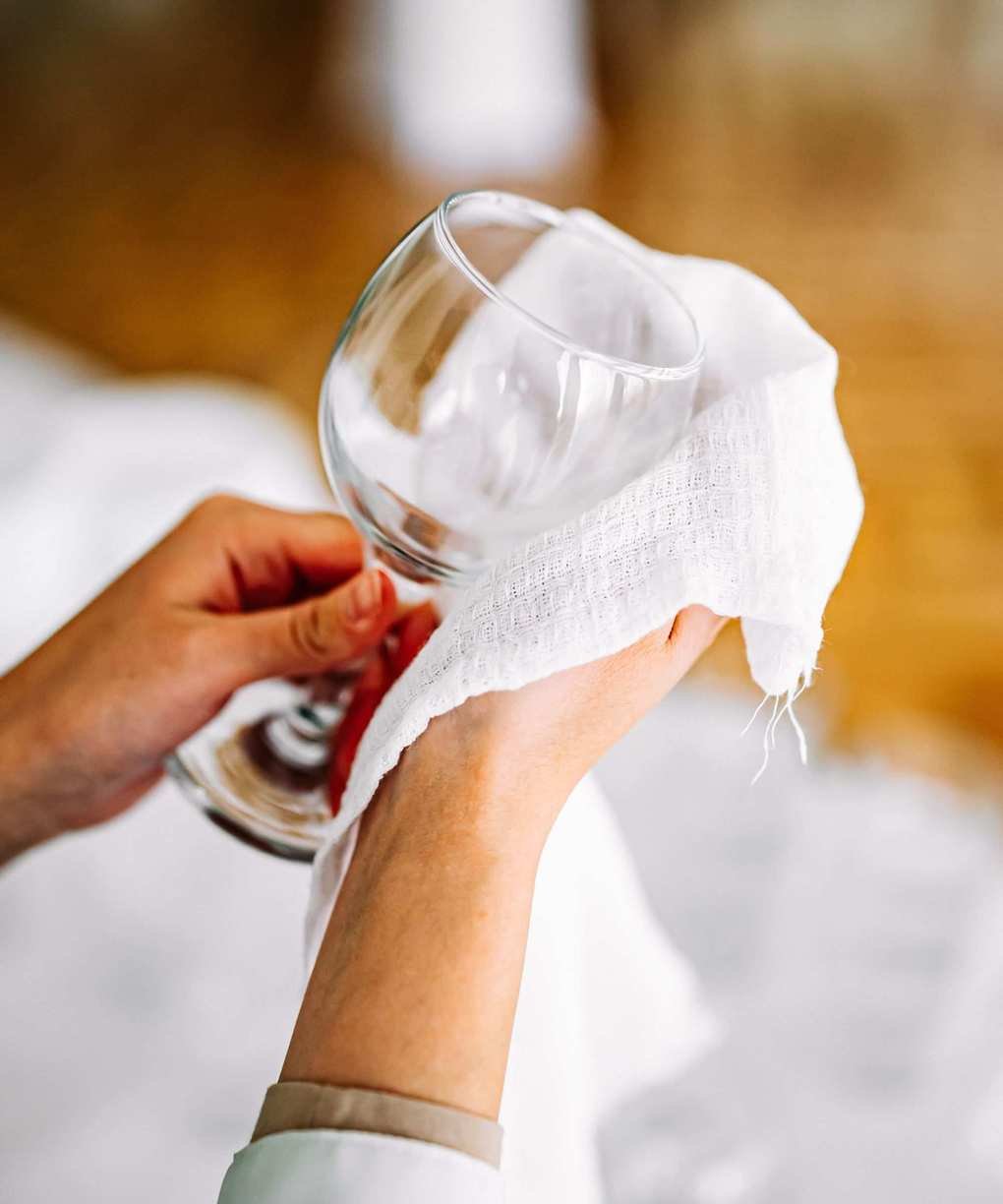
While air drying may seem convenient and reduces contact, it often results in unsightly water spots that can make your glasses appear dirty. Taking a moment to hand dry each glass is a small effort that pays off in aesthetics and prevents streaks.
For drying glasses, a lint-free microfiber cloth is typically recommended. However, Patrick Scully, National Director of Food, Beverage & Culinary Experience at Esplanade by Taylor Morrison, suggests using a coffee filter to polish your glasses. 'This is a trick we use in restaurants and hotels because coffee filters won't leave any lint and absorb any excess water, unlike even lint-free microfiber cloths which can leave fibers behind.'
Here are Patrick's top tips for effectively hand drying glasses:
- Hold the glass by the stem rather than the bowl to avoid smudging the exterior while wiping.
- If there is no stem or you're drying the inside, use a microfiber towel in the hand supporting the bowl to prevent slipping.
- After drying, check for any residue by holding the glasses up to the light.
3. Steam Your Glasses
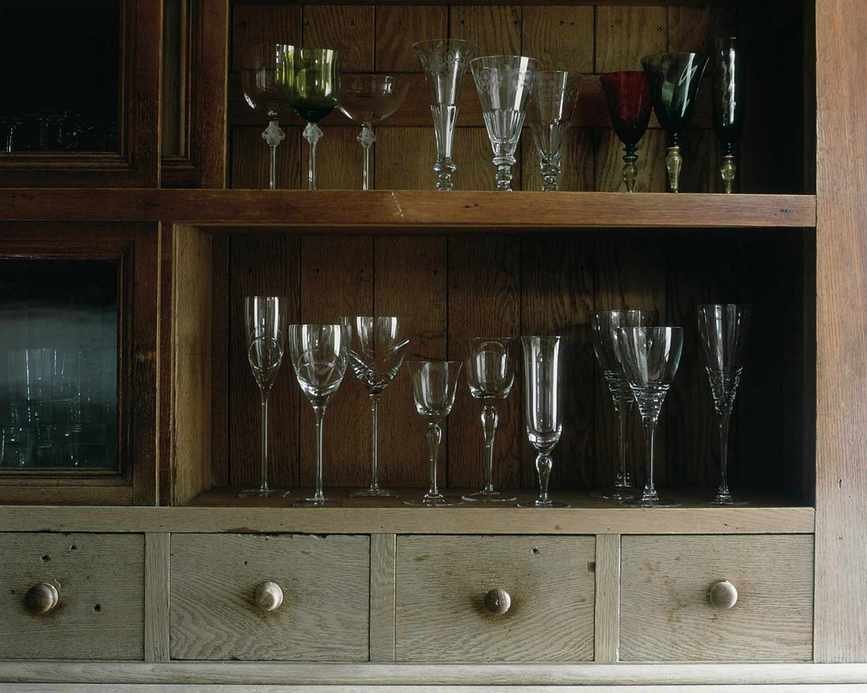
Utilizing steam can effectively eliminate water spots and streaks from wine glasses. This method is particularly useful for loosening dust without the need for harsh scrubbing.
Patrick Scully recommends placing your glasses over a bowl of hot water after they are dry to let the steam gently touch the exterior. 'Just take care not to burn yourself.' Finish by giving them a quick polish.
Your wine glasses will then be impeccably clean and looking great. To maintain their cleanliness, remember to follow these steps after each use, and consider giving them a deep clean with vinegar from time to time.
4. Perform a Vinegar Deep Clean

Jade Piper suggests that a yearly vinegar deep clean is beneficial, as it helps dissolve any stubborn stains or deposits that may accumulate over time, potentially affecting flavor.
Cleaning with vinegar is effective for keeping wine glasses clear due to its acidic properties, which easily break down grease and eliminate bacteria. Moreover, it helps remove lingering odors or residues that could impact the taste of your wine.
However, be cautious about using vinegar too frequently, as it can wear down the glass and compromise its clarity, leading to cloudiness or scratches that disrupt the wine's flavor and aroma.
To deep clean your wine glasses using vinegar, follow these steps:
- Fill a sink or basin with equal parts white vinegar and warm water.
- Rinse the glasses in warm water to clear away debris, then soak them in the vinegar solution for about 10-15 minutes.
- You can use a soft sponge or brush to eliminate any remaining residue.
- Finally, rinse thoroughly to remove any vinegar and dry them well.
FAQs
Is it safe to clean wine glasses in the dishwasher?
While some manufacturers may label glasses as "dishwasher safe," caution is advised. Not all dishwashers and glass types are the same, and broken glass can lead to a mess. Therefore, although it is possible to clean wine glasses in the dishwasher, you should consider:
Glass Quality: Fragile glasses are more likely to break or become cloudy in the dishwasher.
Detergent Type: Use only mild detergent in dishwashers, avoiding harsh chemicals that could affect the glass's clarity over time.
Temperature: Choose a gentle cycle with lower temperatures to reduce the risk of thermal shock that could crack or break the glasses.
Placement: Ensure there's enough space between each glass in the dishwasher to avoid scratches. If you choose to wash them in the dishwasher, place them on the top rack and limit to a light load. This protects fragile glassware and prevents mixing flavors between wines.
Ultimately, cleaning wine glasses correctly goes beyond hygiene and appearance; it's essential for preserving the flavor of your wines. 'You need to clean your wine glasses after each use, especially when switching between different wines. This helps eliminate any residue that can alter the flavor,' emphasizes Patrick Scully, National Director of Food, Beverage & Culinary Experience at Esplanade by Taylor Morrison. 'Different shapes, sizes, or materials can enhance or diminish the subtle flavors and aromas. Just like storing wine in your kitchen, quality glasses deserve quality care so true wine lovers can fully enjoy each varietal.'