Essential Packing Tips for the Camino de Santiago Journey
In this article, we explore packing essentials for the Camino de Santiago, inspired by insights from seasoned hiker Chris Rufflo, who has completed the trek multiple times. Chris shares her minimalist approach to packing light for both the French and Portuguese routes, along with her comprehensive packing list for the Camino de Santiago.
Affiliate links may appear in this post. If you choose to purchase through these links, we may earn a small commission at no additional cost to you, helping us maintain this blog.
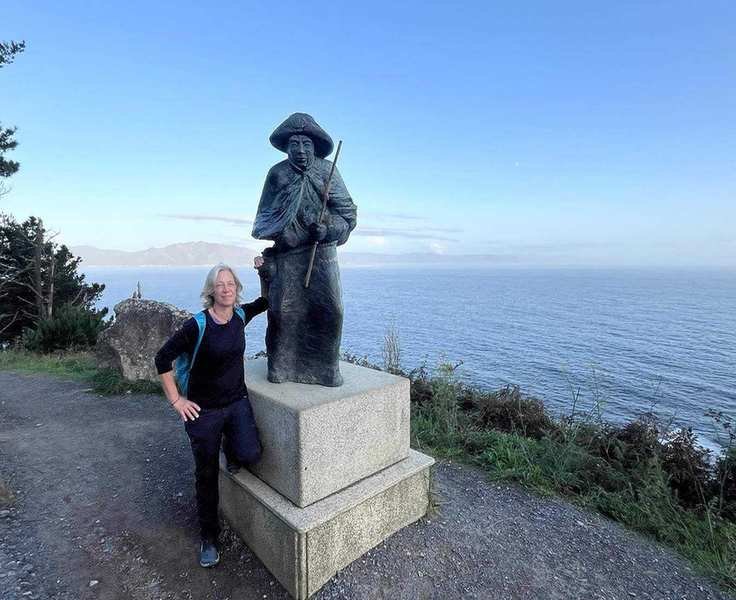 Chris Rufflo at Finisterre, a notable point on the Camino de Santiago.
Name: Chris Rufflo
Age: 61
Home Base: Austin, Texas
Country Count: 30
Why Did You Choose to Hike the Camino Twice?
That's a compelling question. What drives someone to traverse an entire country on foot? After walking the French route in September 2018 during a significant life transition following my sister's passing, I found the Camino to be a powerful tool for reflection. Nearly seven years later, after retiring from teaching, I felt the urge to return, this time opting for the Portuguese route in September 2024.
How Should One Train for the Camino de Santiago?
Training varies based on your current activity level and chosen route. Walking the Portuguese route is generally easier due to its minimal elevation changes, while the French route demands more strength and endurance. Aim to walk 10 miles comfortably, including elevation gains.
What's the Ideal Time to Hike the Camino?
The Camino can be walked year-round, but for fewer crowds, early spring or late fall (April or October) is preferable. Summer is gorgeous but tends to be more crowded.
How Many Miles Did You Walk Each Day?
On the French route, I averaged about 15 miles daily. In contrast, on the Portuguese route, my daily average was around 18 miles. I typically started walking at dawn and continued until about 3 p.m., although many hikers prefer starting later, especially on the Portuguese route.
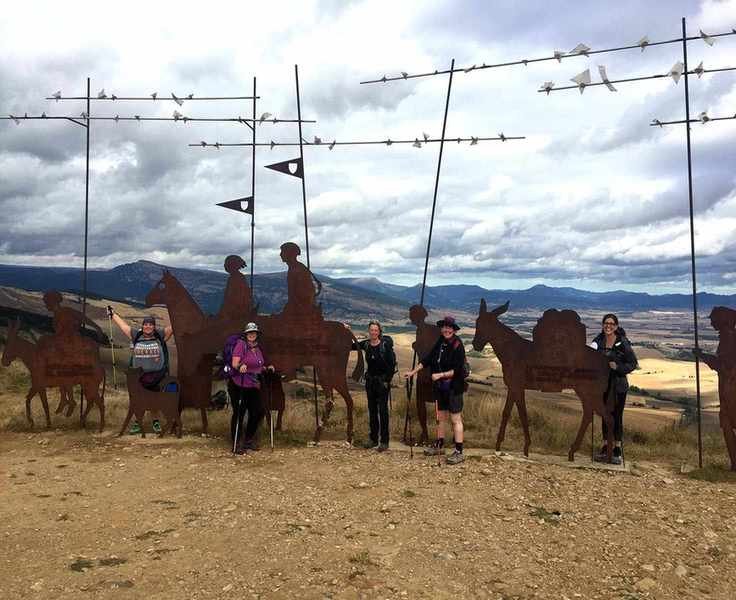 Chris with fellow hikers at Monumento al Camino de Santiago in the El Perdon Mountain range, a significant site for pilgrims.
Did You Hike the Camino Alone? Is It Easy to Connect with Others?
I began the French route with a close friend, but after a few days, we decided to part ways and meet at the finish. The Portuguese route was solo, yet meeting others and forming connections was effortless.
What Are the Costs for Food and Accommodation on the Camino?
Costs can vary widely based on your preferences. You can easily budget between $30 and $50 daily. Municipal accommodations may cost as little as six or seven dollars a night, while albergues can range from $25 to $30.
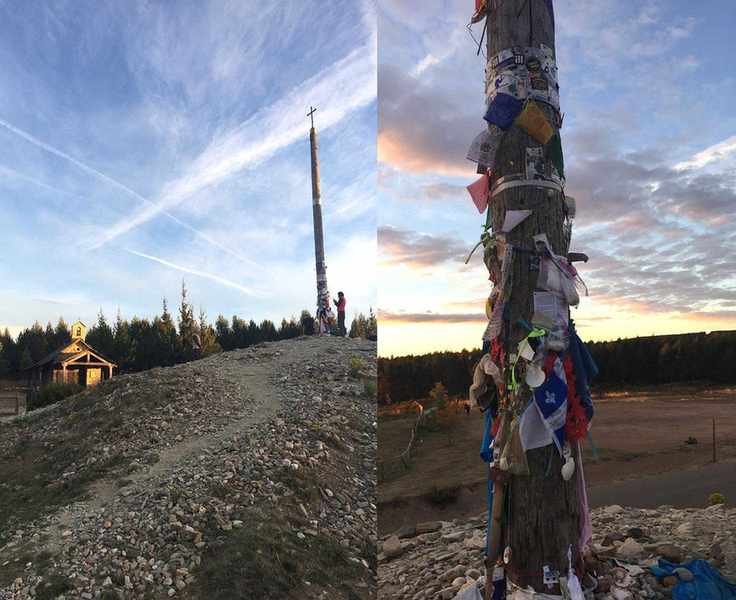 Cruz Ferro, the highest point on the French route, holds special significance for Chris.
What Should Your Day Pack Weigh?
Your pack should ideally weigh 10% of your body weight, excluding food and water. I used an Osprey Stratus, which weighs three pounds and 4.5 ounces. While it's on the heavier side, it fits my long torso and waist well.
What Should You Pack for the Camino de Santiago?
Think of the Camino as a metaphor for life: don't carry what you don't need. Focus on essentials to enhance your experience.
Personally, I packed four lightweight t-shirts, four pairs of underwear, three pairs of ultra-light socks (Darn Tough), and three heavier pairs of wool socks (Smartwool). I also included one long-sleeve Patagonia Capilene shirt, a pair of water-resistant pants, and a pair of lightweight cotton pants, along with a hat, sunglasses, sunscreen, and toiletries. (See the detailed packing list at the end!)
Some handy tips: Opt for a shampoo bar instead of traditional shampoo for weight savings. Bring a small tube of toothpaste, as you can easily buy replacements along the way. A tiny tin of zinc sunscreen for your face is also practical, and use plastic for your water bottle.
If trekking the French route, consider wearing a lightweight sock under a thicker sock for added foot protection and switch socks midday. Gloves can also be purchased along the route if needed.
How Much Water Should You Carry Daily on the Camino?
Typically, I carried one to one and a half liters of water, depending on availability along the route. The Portuguese route had fewer water sources, so I often carried close to two liters.
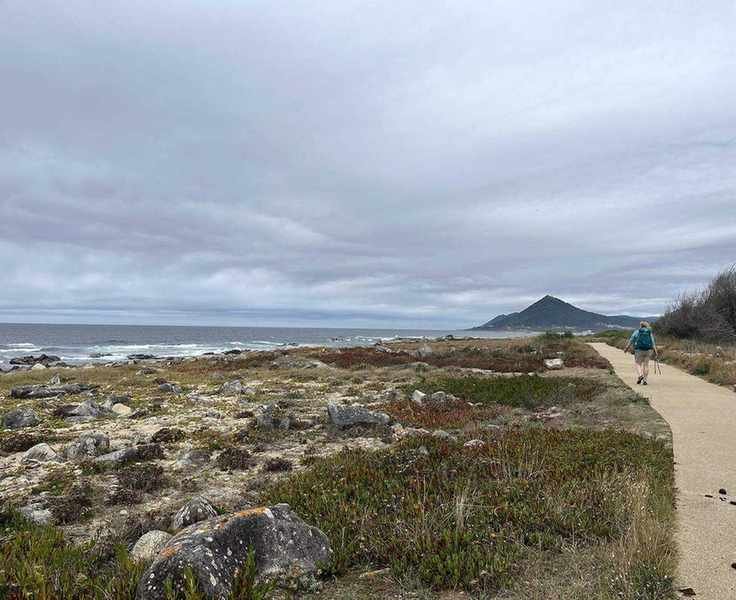 A picturesque view of Moledo on the Portuguese route.
What Advice Would You Offer to Those Hiking the Camino?
Remember, the Camino is a personal journey, and each experience is unique. Be kind to yourself; some may walk as little as five miles a day, while others might cover 20. It's all about your personal journey!
What's Your Next Adventure?
I'm considering a trip to Hudson Bay, Canada, to witness polar bears and the Northern Lights, or trekking in Nepal for cultural experiences and exploration.
Camino de Santiago Packing List
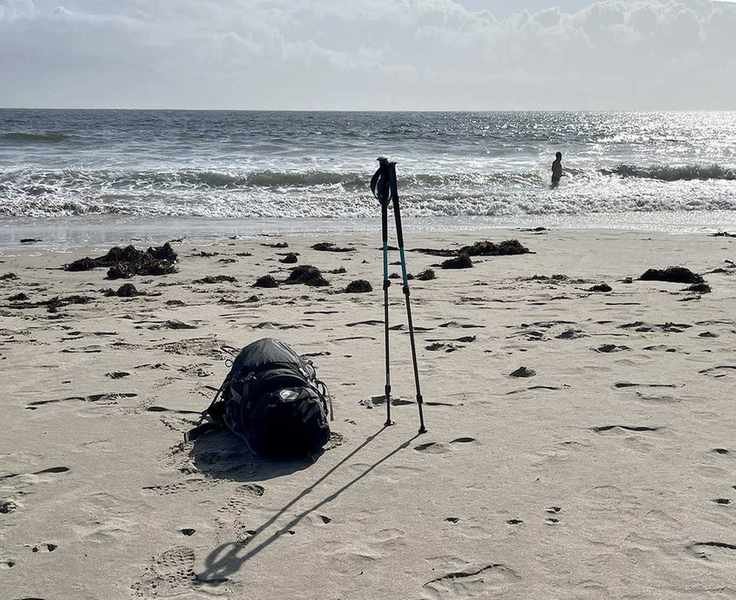 Chris' Osprey backpack and hiking poles at Finisterre.
Socks:
7 pairs (all wool!)
3 pairs of ultralight Smartwool socks
3 pairs of Darn Tough heavier-weight socks.
One pair of ultra-light ankle socks for nighttime: Light Hiker Quarter by Darn Tough.
Underwear: 3 pairs
Tops: 4 lightweight t-shirts, one long-sleeve Patagonia Capilene base layer
Bottoms:
One pair of water-repellent Patagonia pants
One pair of Mountain Hardware pants
One pair of shorts.
Chris suggests hiking in Patagonia pants or Kuhl for comfort.
Toiletries: Toothbrush, small toothpaste, shampoo bar (cut in half), Argon lotion bar (cut in half), lightweight towel (14X20 inches). [Chris stores her shampoo and lotion bar in a plastic pill bag. She recommends Dr. Bronner's.]
Water: Two plastic half-liter bottles. [Note: water access is better on the French route compared to the Portuguese.]
Shoes: Waterproof hiking boots (high ankle) for the French route; trail runners for the Portuguese. I didn't pack a spare pair, but many choose to do so.
Outerwear: Ultra-light raincoat, Patagonia puffer, lightweight hat, sunglasses.
Electronics: iPhone & charger
Hiking Poles: A pair of lightweight, foldable poles.
Sleeping bag: Silk sleep sack for warmth and lightness.
Dry bags: Three ultra-lightweight dry bags: one for clean clothes, one for dirty clothes, and a small one for your passport and important items. Don't forget a rain poncho for your pack.