Effective Strategies to Eliminate Paper Clutter for Good
Even in our digital world, paper can accumulate quickly if we’re not vigilant. Avoid letting bills and statements clutter your kitchen or filling drawers with receipts and letters. Follow our tips to regain control over your spaces.
Often, we keep paper clutter for future reference, especially when it contains sensitive information. However, this can lead to confusion and disarray as documents pile up.
A simple solution is to designate two folders or clipboards: one for long-term documents, like contracts, and another for short-term items, such as monthly bills. Discard what you don't need, and aim to digitize as much as you can.
Strategies for Reducing Paper Clutter
Experts in home organization share their top strategies to help you finally eliminate paper clutter and keep your space tidy.
1. Assess All Your Papers
According to professional organizer Caroline Roberts, tackling paper clutter requires reviewing each document carefully. It's helpful to have a notebook on hand to record the various types of papers you discover.
When working with clients, Caroline often finds forgotten insurance policies and accounts. She encourages noting questions relevant to these documents to streamline organization.
While sorting, jot down important account names, numbers, and contact details. This creates a handy reference list for emergencies, ensuring that loved ones have access to essential information.

2. Digitize Important Documents

Employ a scanning app to digitize important documents, or take photos and store them in your Google Drive. Create a Google Doc linking to crucial files, such as insurance papers and appliance manuals, for easy access. Transitioning to digital will significantly free up space, and for added security, back up files on a separate hard drive.
3. Shred Unnecessary Papers
Many hold onto clutter due to eco-guilt or uncertainty about disposal methods. Consider buying an affordable shredder, at Amazon to dispose of papers securely. Organizer Laura Price emphasizes that shredders make it easy to discard confidential documents quickly, while also allowing you to repurpose the shreds for composting or as pet bedding.

4. Organize Key Hard Copies
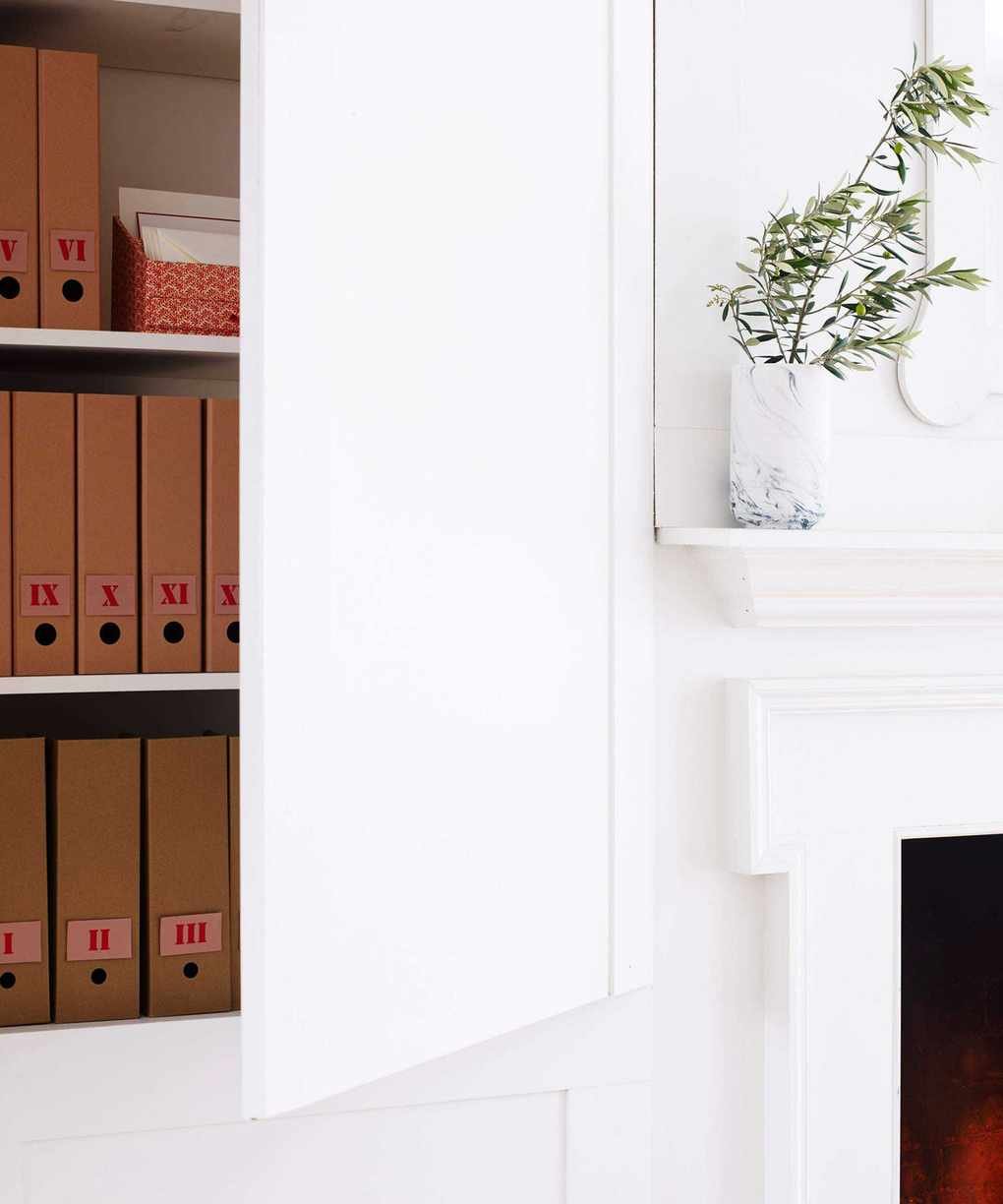
After digitizing and shredding, you'll likely have essential documents that require physical copies. These include birth certificates, medical records, and tax papers. Establish a straightforward filing system for these important documents. If you prefer to keep things concealed, consider an accordion file organizer, at Amazon.
Keep it simple—Caroline notes that many clients overthink their filing systems. It’s best to have a clearly defined way to organize what’s important and what can be discarded before it becomes lost in a pile. Long-term files should be stored in one accessible area, using a filing cabinet or labeled boxes.
5. Set Up an Action Station
Establish a designated basket or box for papers that require attention in the near future, such as uncertain receipts. Visual organizers might find it easier to manage bills and short-term documents by displaying them vertically, either on a pin board or in a wall-mounted basket, at Amazon.
Laura suggests creating a brief filing system where you typically open your mail, with two categories: “to do” and “to file.” As you receive papers, take a moment to decide whether they should be dealt with, stored, or tossed. Regularly set aside time to file what needs to be archived, being selective about what you keep.
6. Cultivate Smart Habits
After organizing your clutter, maintain your progress by promptly addressing papers as they come in. Determine if items should be discarded, recycled, filed, or acted upon. This proactive mindset can transform your relationship with paper clutter.
Remember, paper occupies lots of space and is flammable. In case of a fire, it can exacerbate damage. Elizabeth Dodson, co-founder of a digital home management tool, advises against holding onto unnecessary documents for peace of mind, as this often leads to the opposite effect.

Why Do We Accumulate So Much Paper?
Organizer Laura Price explains that we instinctively retain paper records as a means of preserving vital information. However, with technological advancements, many of these can be converted to digital formats. Request digital bank statements, switch to online magazine subscriptions, and order takeout online. These small changes can significantly minimize your physical paperwork.
Consider keeping a recycling bag at your front door to assist with paper decluttering. Ensure there are designated spots for your important documents, along with a box for papers you’re hesitant to discard immediately.
This approach will help you manage paperwork, a common source of stress for many.