Edging Your Lawn: 6 Steps for a Pristine and Stylish Look
Edging your lawn is a simple yet impactful way to define your outdoor space. This therapeutic activity can dramatically enhance your garden's appearance, helping to create neat borders, patios, and paths while making maintenance tasks like weeding more manageable.
Whether you're establishing new borders, redesigning existing ones, or just sprucing up your garden, taking the time to edge properly is beneficial. A well-defined edge enhances the visual appeal of flower beds, paths, and seating areas, with lawns often suffering from poor definition. Sharp edges draw the eye and provide structure. Here's a straightforward, professional guide to achieving the perfect lawn edge.
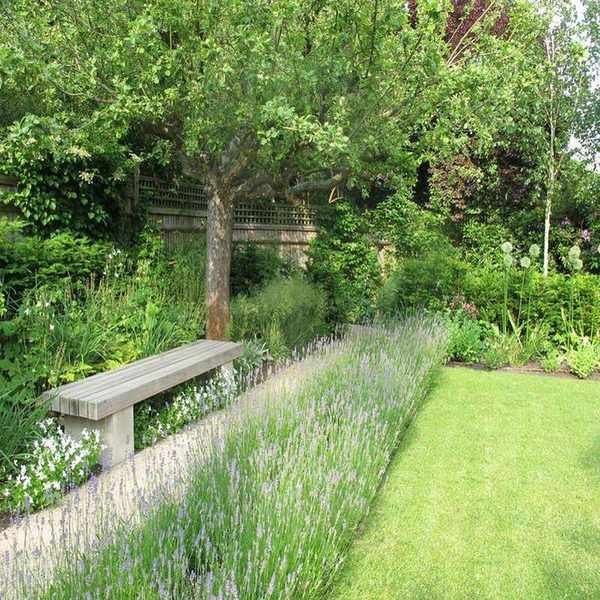
Steps to Edge Your Lawn
No matter your lawn's condition, clean edges will significantly improve its look. A clear, smooth line between the grass and surrounding soil or paving enhances the overall design. Here's how to edge your lawn in six easy steps.
1. Determine the Lawn's Shape
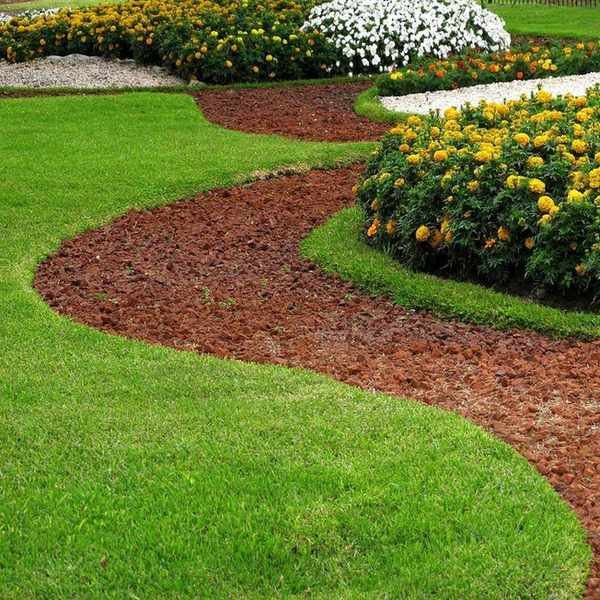
Altering the shape of your lawn can transform the feel of your backyard. Straight lines create a formal look, while sweeping curves add a softer touch. Examine areas lacking definition, especially where shade from shrubs may cause grass to retreat. Consider trimming back plants or redefining edges to expand the flower border.
As Rainer Schubert from a garden tool company suggests, straight borders can make a space appear smaller, while curves can create an illusion of more space. When planting new flower beds, aim for a depth of around 3 feet to allow for healthy growth while keeping maintenance manageable.
2. Outline the New Edge

A hose can guide you when cutting a curved lawn edge
Before you start cutting, it's crucial to mark the edge clearly to ensure accuracy. For straight lines, use string tied between stakes. For curves, lay a hose along your desired line, securing it with pegs. Using a half-moon edger, cut along the hose's outside edge, creating a vertical drop of at least 2 inches into the border.
Many landscapers prefer using grass paint to outline their designs. This easy-to-use spray can wash away with rain or a hose, and sand can also serve as a temporary marker until the edge is defined.
3. Select the Right Tools

You have the choice of manual or powered edging tools. While powered options are excellent for maintaining edges, a manual edger is ideal for cutting new ones. A half-moon edger is particularly effective for achieving sharp lines, allowing you to create clean cuts with ease.
4. Cut the Edge

A manual edging tool is effective for neat lawn edges
Using a manual half-moon edger might take time, but it's rewarding. Position the tool at a 90-degree angle to the grass, digging in about 2 inches deep. Follow the marked line closely for a smooth finish.
If you encounter obstacles like irrigation pipes or roots, avoid cutting through them. Adjusting your edge line or skipping over the obstruction is best.
5. Refine Your Line
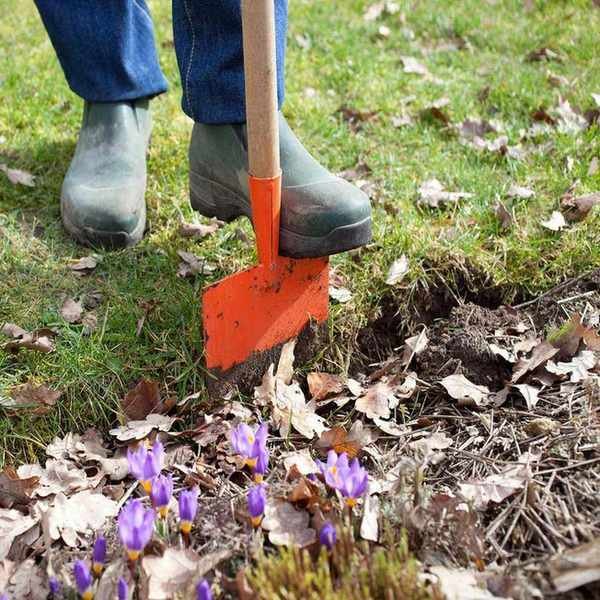
If necessary, redraw your edge line, ensuring clarity. Stand back occasionally to assess the outline and make adjustments as needed. If you've cut a line too short, you can repair it by filling with compost and reseeding or re-cutting to the original line.
6. Maintain a Sharp Finish

Once you've established a defined edge, regular trimming is essential, especially during peak growth seasons. Use long-handled shears weekly to keep the edge looking sharp. Trim any grass that spreads horizontally to maintain clean lines.
FAQs
What's the Best Time to Edge?
Spring is the ideal time to edge your lawn since the grass is actively growing, and the soil is easier to cut into. This timing also allows new or repaired edges to establish before summer heat arrives.
Can You Edge Without an Edger?
A sharp, straight spade can serve as an alternative to an edger. Ensure the blade is flat to avoid scalloped edges. Using a wooden board or hose can help maintain straight lines or curves.
Should You Mow Before or After Edging?
Although opinions vary, mowing before edging usually yields neater results, as the freshly cut grass won't compress the edges.
Edging your lawn is an effortless way to enhance its overall appearance, creating sharp, defined lines that clearly delineate flower beds and pathways. While it may seem time-consuming at first, maintaining these edges can easily become part of your regular lawn care routine.