Eco Cooling Solutions: Sustainable Ways to Keep Your Home Comfortable
Are you searching for eco-friendly cooling solutions? Keeping your home comfortable can consume a significant amount of energy, which may not be as environmentally responsible as you'd prefer, nor as budget-friendly.
Air conditioning units are widely used to cool homes, and modern models can help maintain a pleasant indoor atmosphere while using less energy. However, there are numerous other eco-friendly home upgrades that can enhance your living space without compromising comfort.
Before you select the most eco-conscious cooling method, remember to implement measures to prevent heat from entering your home. 'Typically, sealing and insulating attics, basement walls, and floors (like those above unheated areas such as garages or crawl spaces), and around windows, doors, and walls are critical points,' says Steve Dunn, a Technology Manager for Home Performance with Energy Star. 'Homeowners can also reduce cooling demands through exterior shading and window attachments, such as shades, blinds, solar screens, and applied solar films.'
Explore the eco-friendly cooling options outlined in our guide.
Options for Eco Cooling in Your Home
From solar panels to geothermal heating, there are many methods available to enhance your home's energy efficiency. Given that your cooling system can be a major source of energy consumption, it's essential to consider it when planning green home improvements. These energy-efficient cooling strategies will assist you in making a positive impact.
1. Enhance Your Air Conditioner's Eco Credentials
Approximately three-quarters of homes in the U.S. are equipped with air conditioning, according to Energy Saver, part of the U.S. Department of Energy that offers information on energy efficiency and renewable energy to consumers. Consequently, these systems collectively cost homeowners about $29 billion each year, as reported by the agency.
'While there isn't a specific age for replacing a system, residential air conditioning systems typically last between 15 and 20 years; in extreme climates, the lifespan may be closer to 10 years,' shares Steve Dunn. Transitioning from an outdated air conditioner to a modern, energy-efficient model with the Energy Star label can significantly lower energy consumption and save you money. This endorsement indicates that products adhere to strict energy efficiency standards set by the U.S. Environmental Protection Agency.
Keep in mind that a central air conditioning system relies on a blower motor, which is usually part of a furnace. To ensure the air conditioner operates at its rated efficiency, it should not be connected to an older furnace—particularly one older than 15 years. In other words, for a greener home, consider replacing the heating system as well.
Room air conditioners must also be appropriately sized to prevent energy wastage. You can determine the necessary size of a room air conditioner by using the Energy Star step-by-step guide.
Regular maintenance is crucial for keeping an air conditioner running efficiently. Cleaning or replacing the filter routinely helps minimize energy use. The evaporator coil should be inspected annually and cleaned when needed. Additionally, use a stiff wire to clear drain channels to prevent clogs. If the fins on the evaporator and condenser coils are bent, use a fin comb to straighten them out.
Residing in a humid area? 'Effectively cooling humid regions requires many of the same strategies as in other climates, but with a focus on humidity control within the home,' explains Steve Dunn.
'In extremely humid climates, the air conditioner alone may struggle to remove enough latent heat to maintain relative humidity below 60 percent,' he notes. 'In such cases, supplemental dehumidification and humidity controls can be integrated into the HVAC system.'
2. Choose the Right Window Treatments
It's often said that prevention is better than cure.
Rather than exhausting energy (and funds) trying to cool an overheated home, take steps to limit how hot it gets in the first place. Effective window treatments, such as cellular shades, solar shades, and drapes, can help reduce the heat entering your home, thereby lessening the need for cooling.
'To block sunlight and glare while still enjoying the view outdoors, consider solar shades,' suggests Julia Dorn, Executive Director of New Product Development at Graber, a company specializing in window treatments, including solar shades. 'They are designed to allow visibility through the fabric while protecting against the sun, including harmful UV rays that can damage flooring and furniture.'
Window coverings can also complement eco-friendly heating solutions during winter, providing an additional layer of insulation to retain heat within your home.
3. Improve Ventilation
Photo by David Hunter on Unsplash
Depending on your climate, natural ventilation may suffice to keep your home comfortable, although other solutions may also be necessary (see below), and it's an eco-friendly alternative. At night, ventilate your home by opening windows to let in fresh air and expel warm air. Always combine natural ventilation with strategies to keep heat out, such as insulation, landscaping that provides shade for the house, and keeping doors and windows closed with shades drawn on hot days.
Consider adding ceiling or window fans, as well as portable fans as needed. These devices use relatively little electricity, according to Energy Saver. A ceiling fan is particularly effective for creating a cool atmosphere, and it can work in tandem with air conditioning, allowing you to raise the thermostat and save energy.
If you have a larger home, you might need a whole house fan, which can often replace the need for an air conditioner during most of the year in many climates. However, it may require the addition of ceiling and other fans for optimal comfort.
A whole house fan operates by drawing air in through open windows and exhausting it through the attic and roof. Professional installation is advisable. Additionally, be cautious: 'Open windows throughout the house to avoid concentrated suction in one area. If insufficient ventilation is provided, the fans can create a backdraft in your furnace, water heater, or gas dryer, pulling combustion products like carbon monoxide into your living space,' warns Energy Saver.
4. Utilize Smart Controls
Running your air conditioning around the clock can wreak havoc on your energy consumption (and costs). Smart AC controllers can significantly help with this, states Bariyah Faisal from Cielo WiGle, a smart home company focused on heating and cooling.
'Smart AC controllers equip your mini-split, window, or portable heat pump with smart features. They connect your AC to the internet, allowing you to manage your unit from anywhere,' she explains. 'They regulate your home's temperature and humidity based on your preferences, and you can establish daily or weekly cooling schedules according to your routine.'
Furthermore, these smart controllers can help you save energy by enabling you to turn off your AC remotely if you forget to do so when leaving home, or you can utilize a geo-fencing feature that turns it off automatically when you exit a predefined area. Smart AC controllers can also provide monthly reports on your energy usage patterns, allowing you to identify trends and make necessary adjustments to lower AC expenses.
5. Consider an Evaporative Cooler

If you live in a low-humidity region, an evaporative—or swamp—cooler can be an effective and energy-efficient option, offering a more eco-friendly way to maintain a comfortable temperature indoors. In fact, this type of cooler consumes about a quarter of the energy of a central air conditioning system, according to Energy Saver.
An evaporative cooler works by passing hot outdoor air over water-saturated pads, causing the air temperature to drop. A fan then circulates this cool air inside the home, while warmer air is expelled through partially opened windows. Instead of routing air to a central location, it can also be connected to ductwork for distributing air to individual rooms. The latter option is essential for larger homes, while the former may suit a smaller, open-layout residence.
Keep in mind that evaporative coolers require more maintenance than air conditioners. They also rely on water, which could be a concern depending on your local conditions.
6. Opt for a Heat Pump
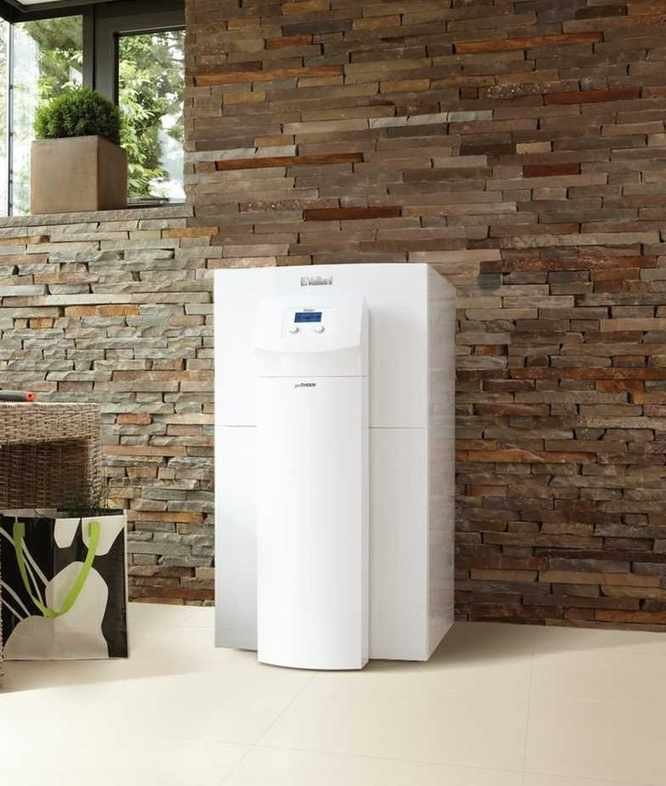
If you're thinking about switching to a heat pump for eco-friendly heating, you'll be pleased to know that it can also provide energy-efficient cooling for your home. Both air source and geothermal heat pumps can effectively cool and heat your living space.
'Ground source heat pumps are more energy efficient than conventional central air conditioning systems,' states Steve Dunn. 'They can function efficiently in any climate, thanks to the earth's stable underground temperature (ranging from 45º to 75º F depending on location). GHPs can reduce energy bills by up to 65 percent compared to traditional HVAC systems.'
When choosing a heat pump, pay attention to the Energy Guide label, which indicates cooling efficiency, presented as a seasonal energy efficiency ratio (SEER). This ratio represents the total heat removed during the annual cooling season in British thermal units (Btu) divided by the total electrical energy consumed by the heat pump during the same season in watt-hours.
As with other eco-friendly home choices, look for the Energy Star label to identify the most environmentally responsible options, whether you are selecting an air source or geothermal heat pump.
What is an Eco Air Cooler?
An eco air cooler operates via evaporative cooling, where water is pumped onto a cooling pad; as hot air passes over the pad, the water evaporates, resulting in cooler air flow from the unit.
What is the Most Eco-Friendly Heating and Cooling System?
According to the Environmental Protection Agency, geothermal heat pumps are regarded as the most environmentally friendly heating and cooling systems.