Decluttering Kids' Rooms: 9 Expert Tips for Sorting and Storage
Keeping children's rooms tidy is essential, not just for aesthetics but also for their overall well-being and daily activities. It can significantly influence their mood and how they interact with their space.
Decluttering can be a challenging task, especially in kids' rooms where both parents and children may have emotional attachments to items. While the process involves deciding what to keep or discard, effective storage solutions are equally crucial.
We consulted organization specialists for strategies on how to declutter a child's room, even when they may be hesitant, and how to simplify the process for parents.
Why Declutter Kids' Rooms?
Children naturally accumulate various items, from special papers to toys. 'Kids are collectors by nature, making decluttering a necessary but manageable task,' says an organizing expert. Before implementing rules for tidiness, assess what items they have, starting with major categories like toys, and invest in quality storage solutions.
Here are expert-approved steps for decluttering your child's bedroom.

1. Categorize Items

Start by grouping everything in your child's room into categories: clothing, books, toys, and school supplies. This method helps you see what needs organizing and spot duplicates or items no longer needed, according to a home organization expert.
Label boxes for different categories, such as 'keep,' 'sell,' 'donate,' or 'trash,' to streamline the process and minimize confusion. It's important to let your child keep some sentimental items to ease the transition.
Experts suggest keeping nostalgic items in boxes for occasional review, allowing for emotional connection without clutter accumulation.

2. Assign Everything a Place

One major cause of clutter is the absence of designated storage. 'Items without a home tend to accumulate on surfaces,' states a home improvement expert. Ensure every item has a specific place, which makes it easier for kids to maintain a tidy space.
This is especially vital in small or shared bedrooms, where clutter can quickly become overwhelming. Allocate specific storage for toys or clothes, helping kids understand limits on how much they can keep.
When designing children's spaces, make sure storage options are accessible to promote independence and organization.

3. Invest in Functional Storage Solutions

Choose storage solutions that cater to your child's needs, like labeled bins and drawer organizers. Maximize vertical space with wall-mounted shelves and hooks, as suggested by a remodeling expert.
Consider integrating storage into furniture, such as beds with drawers, to keep the room organized without additional clutter. Headboard shelving can also encourage kids to display their favorite items while keeping the rest tucked away.
For budget-friendly options, explore affordable storage solutions from retailers that blend style with functionality.

4. Organize Items Based on Usage

To maintain order, think about the frequency of use for each item. Everyday items should be easily accessible, while those used less often can be stored higher up or in bins. This allows for a more manageable and tidy environment.
5. Declutter One Section at a Time

Instead of tackling the entire room at once, focus on one area at a time. Start with the most cluttered spaces, like closets or drawers, to make the process less overwhelming and encourage progress.

6. Rotate Toys
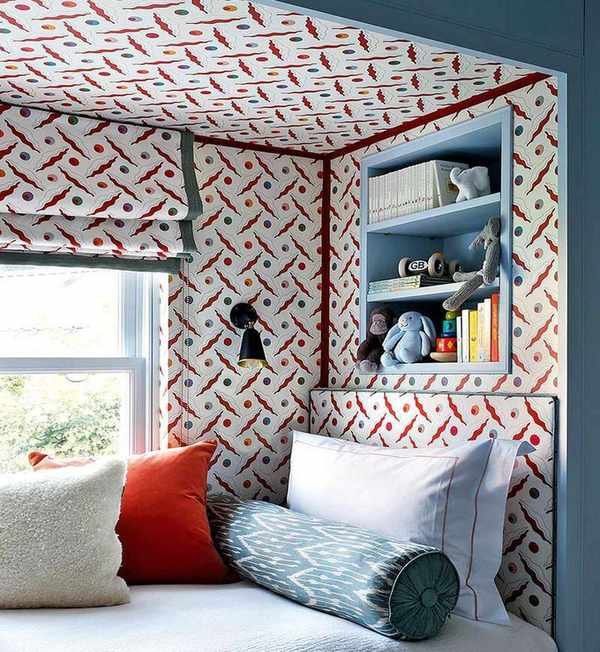
If your child has an excess of toys, consider rotating them. Store some away and periodically swap them out. This not only reduces clutter but also reignites interest in forgotten toys.
7. Involve Your Child... or Don't

Engage children aged 5 and up in the decluttering process to teach them about material attachment and the importance of giving. If they are too young, consider decluttering when they are out of the room to avoid disputes.
8. Make Decluttering Rewarding

Encourage children to participate by explaining the benefits of an organized space. Offer rewards for their efforts, fostering a sense of ownership and responsibility.
9. Maintain a Decluttering Routine

Establish a consistent cleaning schedule that your child can follow to maintain their room. As they grow, adapt the organization methods to suit their evolving needs.
Regularly scheduled clean-ups can keep clutter at bay and make tidying up a fun activity.
FAQs
How often should you declutter a child's room?
Consider a quarterly declutter, particularly with seasonal changes, to ensure that outgrown clothing and unused items are regularly managed.
Streamlining your child's bedroom fosters a stress-free environment and enhances their daily routines while showcasing creative storage possibilities.