Decanting Food Goods: A Simple Way to Organize Your Kitchen
Initially, I was puzzled by the trend of decanting food into uniform jars. It seemed unnecessary to transfer items from one container to another solely for looks. However, once I gave it a shot, I realized that decanting not only helps preserve freshness but also simplifies organization.
Before I started this process, organizing my kitchen felt chaotic. Struggling to fit various boxes and jars on my shelves often resulted in a disorganized mess. Decanting significantly changed that.
Reasons to Decant Your Food
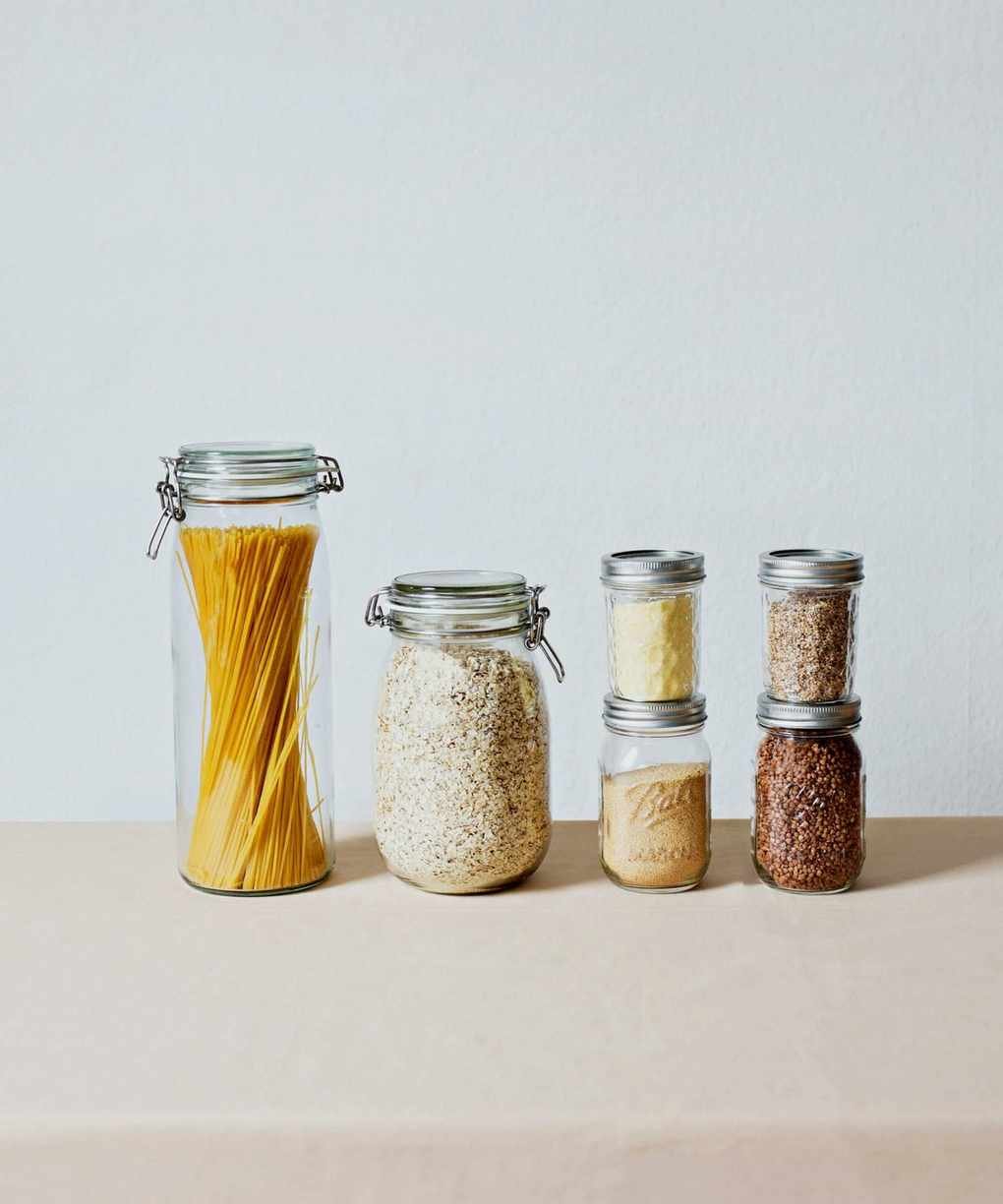
Despite my initial doubts, I started decanting after noticing how it improved both kitchen cabinet organization and the overall look of my kitchen countertop. While it felt trivial at first, the results made my kitchen look significantly more polished.
1. Food Stays Fresher
I invested in stylish glass jars with bamboo lids similar to these top-rated jars on Amazon. To my surprise, these jars kept my food fresher longer—this included items like pasta and rice that I never thought could be affected by packaging.
Having high-quality, eco-friendly food containers means I waste less food that would otherwise go stale.
2. Increased Storage Space
Adding jars to my cupboards surprisingly created more space. By using uniform containers tailored to my kitchen storage ideas, I eliminated excess packaging. This made my shelves look tidy, allowing me to find items quickly.
Additionally, when I bought more of an item, I could easily combine it into one larger container instead of juggling multiple packages.
3. Clear Visibility for Shopping
Decanting into transparent jars offered the advantage of visibility. I no longer faced the frustration of opening a cereal box only to find it nearly empty. With clear storage, I could easily identify what I needed when compiling my shopping list.
Properly Decanting Food
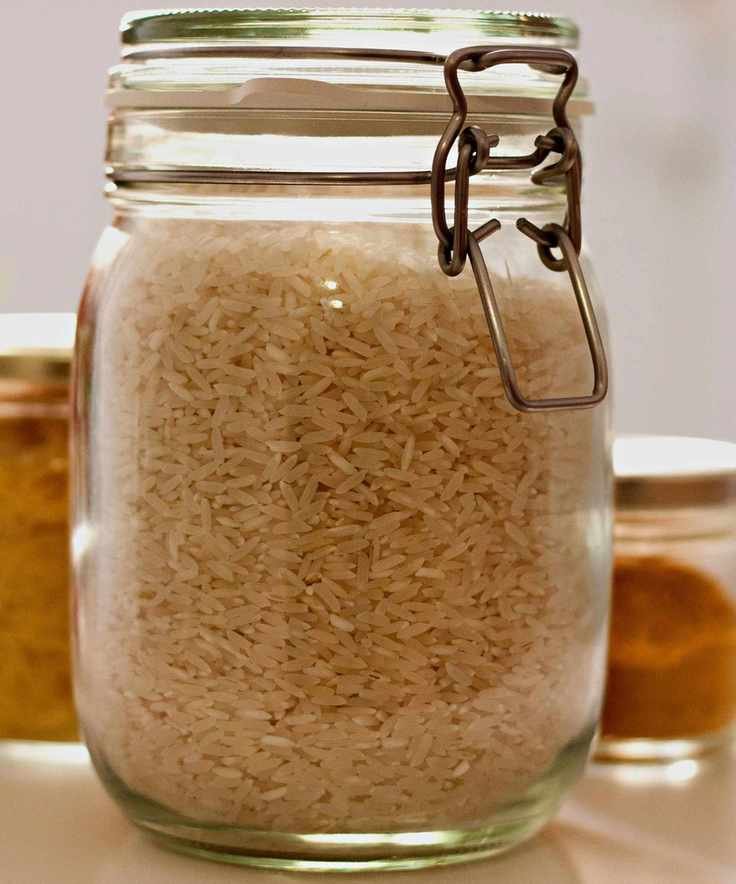
When I first began decanting, I made a few missteps. For instance, I ended up using jars for items that didn't really require them, which sometimes resulted in wasted space.
What I Learned:
1. Choose the Right Items to Decant
I prefer to decant items that I won't finish in one use. As a baking enthusiast, I decant my flour and sugars, along with staples like pasta and rice. These are essentials that I keep stocked and won't empty immediately.
Multi-packs work well in neatly stacked tubs or baskets inside my kitchen drawers, cutting down on bulky bags and aiding in organizing kitchen drawers effectively.
Items like chip bags or pre-made mixes don't need decanting, as I typically use them quickly, making it impractical to invest in jars for them.
2. Invest in Quality Containers
While good containers can be pricey, they're worth the investment to cut down on food waste and improve kitchen organization. I believe that jars and containers specifically designed for the items you buy are among the best kitchen organizers available.
Measure your space before making a purchase, especially if you're working with small kitchen storage ideas. Consider the volume of the contents as well; for instance, the jar for flour needs to be larger than that for powdered sugar.
3. Label and Date Your Containers
After transferring food to its new jar, I label it using a label maker similar to this Bluetooth label maker on Amazon. Though it might seem unnecessary to label clear jars, it can prevent confusion with similar items like bread and all-purpose flour.
I also write the expiration date on the jar's base with a wipeable pen, ensuring I don't use items past their prime.
Why People Decant
People choose to decant for various reasons. In kitchens, transferring dry goods like rice and pasta can help keep items fresh and make cupboards more organized. Additionally, decanting can enhance the visual appeal of your kitchen by using attractive containers.
Should You Decant Condiments?
The decision to decant condiments depends on personal taste and kitchen aesthetics. Unlike most dry goods, condiments usually come in sealable containers and can be stored out of sight, making decanting more of a stylistic choice than a necessity.