Comparing 34D and 36C Bra Sizes: What’s the Difference?
If you've ever pondered whether to pick a 34D or a 36C while trying on bras, you’re not alone. This frequently asked question can lead to surprising insights.
Are 34D and 36C Equivalent?
In short, 34D and 36C share the same cup volume but differ in band size, making them what the lingerie world refers to as sister sizes.
The main distinction lies in the band. A 34D features a snugger band fitting a 34-inch ribcage, while a 36C is designed for a 36-inch ribcage, providing a looser fit. Although the cup sizes accommodate a similar amount of breast tissue, they feel quite different when worn.
Many individuals can wear both sizes comfortably, depending on the brand and style, but one will typically feel more secure than the other. For instance, if your underbust measures around 33-34 inches, you might prefer the snugger fit of a 34D. Conversely, those with an underbust closer to 35-36 inches might find the 36C more comfortable without sacrificing support.
In essence, same cup, different fit. Grasping this difference is crucial when you’re searching for bras that fit well.
Basics of Bra Sizing (Band vs Cup)
Before diving into the 34D versus 36C discussion, it’s helpful to understand bra sizing fundamentals. Each size consists of a number (band size) and a letter (cup size), which work together to determine the fit.
The band size measures your ribcage circumference just beneath your bust. This measurement is vital, as the band provides most of your support. A properly fitting band should feel snug on the loosest hook initially and allow you to tighten it as the bra stretches over time.
The cup size can be less straightforward. The letter signifies the difference between your bust measurement at its fullest and your underbust measurement, rather than a fixed volume of breast tissue. A D cup indicates about a 4-inch difference, while a C cup signifies approximately a 3-inch difference. You can read more about the variances between C and D cups to see how these measurements affect fit.
Importantly, a D cup on a 34 band isn’t the same volume as a D cup on a 38 band. Cup sizes adjust with band sizes, meaning a 34C and a 36C don’t have equal cup volumes, as the 36C accommodates more breast tissue.
This highlights that understanding the relationship between band and cup size is more crucial than just knowing your measurements.
What Differentiates 34D from 36C?
Now that you grasp the basics, let’s clarify the differences between these two sizes. 34D and 36C are sister sizes, sharing similar cup volumes while differing in band length and feel.
A 34D features a band length of 34 inches, which fits more closely around the ribcage, paired with a D cup that corresponds to that band size. A D cup indicates a bust measurement of roughly 38 inches.
In comparison, a 36C has a band length of 36 inches, offering a looser fit, with a C cup that represents a 3-inch difference, leading to a bust measurement of around 39 inches. The cup volumes are nearly identical, as the increase in band size leads to a decrease in cup letter to balance things out.
In terms of support, the 34D provides a tighter, more lifted sensation, ideal for smaller ribcages or those seeking maximum support during active movements. The 36C allows for more space around the ribcage, distributing pressure evenly, making it a comfortable choice for extended wear.
Who might favor which size? If your underbust is closer to 33-34 inches and you enjoy a firmer fit, the 34D is likely your best bet. If you measure closer to 35-36 inches or prefer a softer feel, the 36C may be the better option.
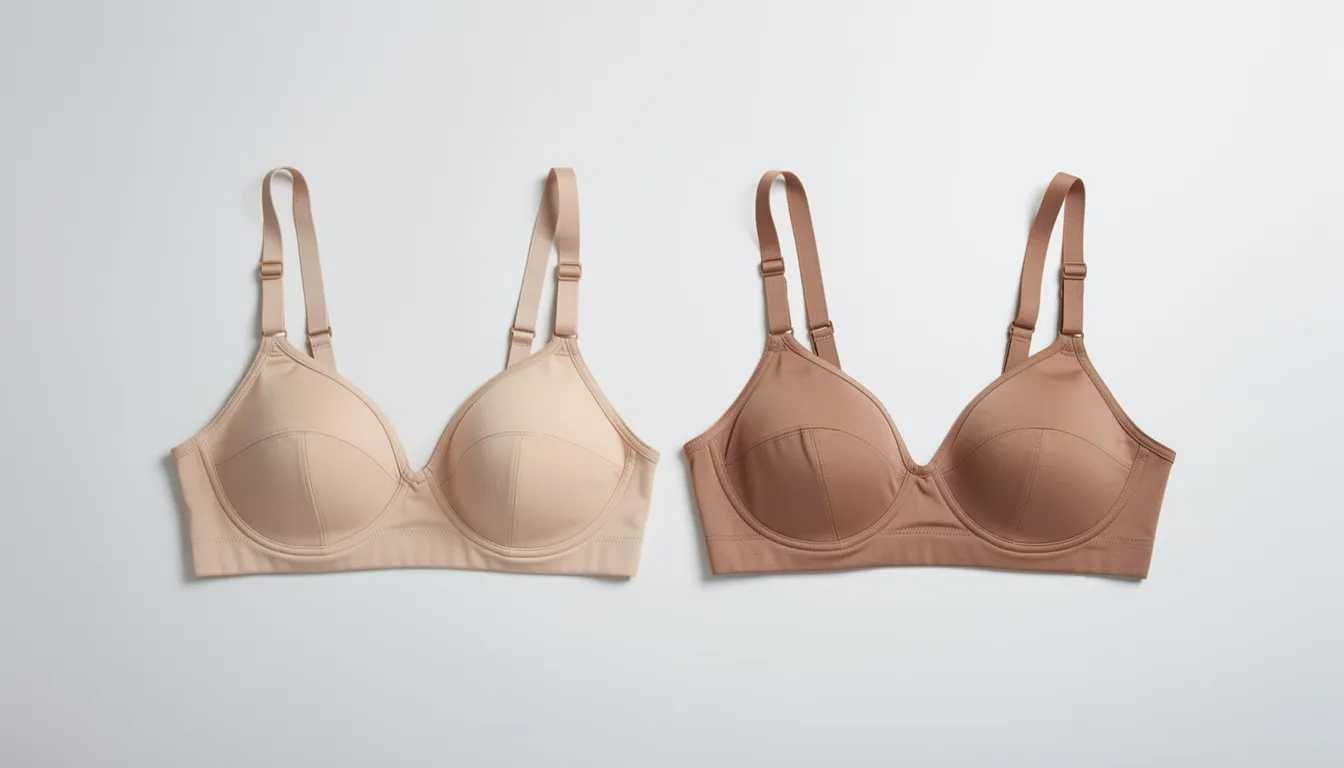
Understanding Sister Sizes
Sister sizes are bra sizes with similar cup volumes but different band lengths. This concept exists because cup sizes relate to band sizes rather than being standalone figures.
The basic rule is straightforward: decreasing one band size means increasing one cup letter to maintain the same volume. Conversely, increasing one band size means decreasing one cup letter. Thus, 36C and 34D can contain equivalent breast tissue despite their differing labels.
Here are some sister size chains that include 34D and 36C:
32DD ↔ 34D ↔ 36C ↔ 38B
32D ↔ 34C ↔ 36B ↔ 38A
30DD ↔ 32D ↔ 34C ↔ 36B
Utilizing sister size charts can be beneficial when your usual size feels off with a specific brand or style. If a 34D feels too tight in one design, you might try a 36C in the same style before moving on.
It’s worth noting that “same cup volume” means the bra is designed for a similar amount of breast tissue, but how it fits on your body can still differ. The cup projection, underwire width, and band anchoring can vary. Sister sizing serves as a helpful tool, not a guarantee for identical fits.
Choosing Between 34D and 36C
Your choice between 34D and 36C primarily depends on how the band feels against your ribcage and how well the cups accommodate your breast tissue. Most people have a clear preference after trying both sizes.
Indicators for selecting 34D:
Your current 36C band keeps riding up in the back.
You fasten a 36C on its tightest hook, yet it still feels loose.
You prefer a firmer band for daily wear or need extra support while working out.
Your snug underbust measures around 33-34 inches.
Indicators for selecting 36C:
Your current 34D digs in or leaves marks, indicating the need for a better fitting bra.
You can barely fasten a 34D or it restricts your breathing when sitting or bending.
You’re between sizes and prefer a more relaxed band feel.
You notice the underwire uncomfortably pressing into your sternum or ribs.
Your snug underbust is closer to 35-36 inches.
For a quick home assessment, wrap a measuring tape snugly around your ribcage just beneath your bust. If you measure around 33-34 inches, you’ll likely fit better with a 34 band. If you measure closer to 35-36 inches, a 36 band may be more comfortable. Remember, different bras vary in terms of stretch, so this is a guideline rather than a definitive answer.
Fit, Comfort, and Common Missteps with 34D and 36C
Research indicates that up to 80% of individuals wear the incorrect bra size, often opting for bands that are too large and cups that are too small. This widespread issue can complicate the decision between 34D and 36C, especially given that cup size depends on band size.
Signs your band may be too large (often seen in 36C wearers who might need 34D):
Your bra rides up between your shoulder blades, even after adjusting the straps.
Straps dig into your shoulders since the band isn’t providing adequate support.
You frequently adjust or tug the bra down during the day.
The back of your bra sits higher than the front.
Signs your band may be too small (common in 34D wearers who may need 36C):
Deep impressions or persistent discomfort around your ribcage.
The band feels painful when sitting, twisting, or after several hours.
The underwire presses hard against your sternum or ribs.
You struggle to breathe comfortably.
Many don’t realize that small cups can mislead you into thinking the band is the issue. If breast tissue spills from the cups, the entire bra can feel tight. Before deciding your band is too small, ensure you’ve properly scooped all breast tissue into the cups. If the cups still overflow, you may need a larger cup rather than a larger band.
When trying on new bras, always start on the loosest hook. This allows the band to tighten as it wears out over time. Move around in the fitting room, lift your arms, bend, and sit to see which size remains comfortable and secure.

Tips for Trying 34D and 36C in Stores
Bra sizes can vary significantly between brands, styles, and fabric stretches. What fits perfectly in one brand’s 34D might feel completely different in another’s. To get the best fit, try both 34D and 36C sizes in the same model whenever possible.
When comparing sizes, consider these aspects:
Try the same style (like a T-shirt bra or balconette) in both sizes for effective comparison.
Observe the underwire placement; it should encase your breast root without sitting on tissue or poking into your ribs.
Check the gore (the center panel between cups); in wired bras, it should lie flat against your sternum.
Ensure both cups are filled completely by scooping and adjusting before passing judgment.
Pay attention to how the bra feels over time: For a comfortable loungewear experience that promotes confidence, explore the finest ladies' robes.
The band should feel supportive but not constrictive after 10-15 minutes, not just when fastened.
Watch for gaps at the top of the cup or spillage at the sides and neckline in each size.
Check if the band remains parallel to the floor or shifts upward.
Your breast shape can also influence the fit in ways measurements alone can’t capture. Someone who is fuller on top might fill a 34D differently than someone who is fuller on the bottom, even with the same bust measurements. Wide set or close set breasts may favor one sister size over another in particular styles.
Consider 34D and 36C as options within your fitting range instead of fixed sizes. Knowing both gives you flexibility while shopping across brands and styles. Some people keep both sizes because certain bras fit larger or smaller than others.
Finding your ideal fit between 34D and 36C isn’t about settling on a single size forever; it’s about recognizing what each size offers and knowing when to choose which. With this knowledge, you can confidently enter any lingerie department, equipped to know exactly what to seek and what inquiries to make. The next time you're torn between sizes, try on both, and let your body guide your choice.