Can a Cluttered Home Contribute to Depression? Expert Insights and Tips
Keeping a home organized can be challenging for many, regardless of how many tips they read. Research indicates that excessive clutter can negatively impact your mental health.
For some, the thought of decluttering can feel overwhelming, especially if chaos has accumulated over time.
If clutter starts affecting your daily routine, it might be time to take action. There are several methods to declutter your space when feeling overwhelmed, and reaching out for support is a valuable first step.
Experts discuss the connection between a disorganized home and depression, offering strategies to help you improve both your living space and your mindset.
Can a Cluttered Home Trigger Depression?
Research has demonstrated a correlation between disordered environments and depression. It's not surprising, given that simplifying your surroundings can lead to positive changes.
While a messy home isn't a definitive sign of mental health issues, it can signal challenges—particularly if it leads to feelings of being overwhelmed and a lack of motivation.
Only qualified professionals can diagnose mental health conditions like depression or anxiety.
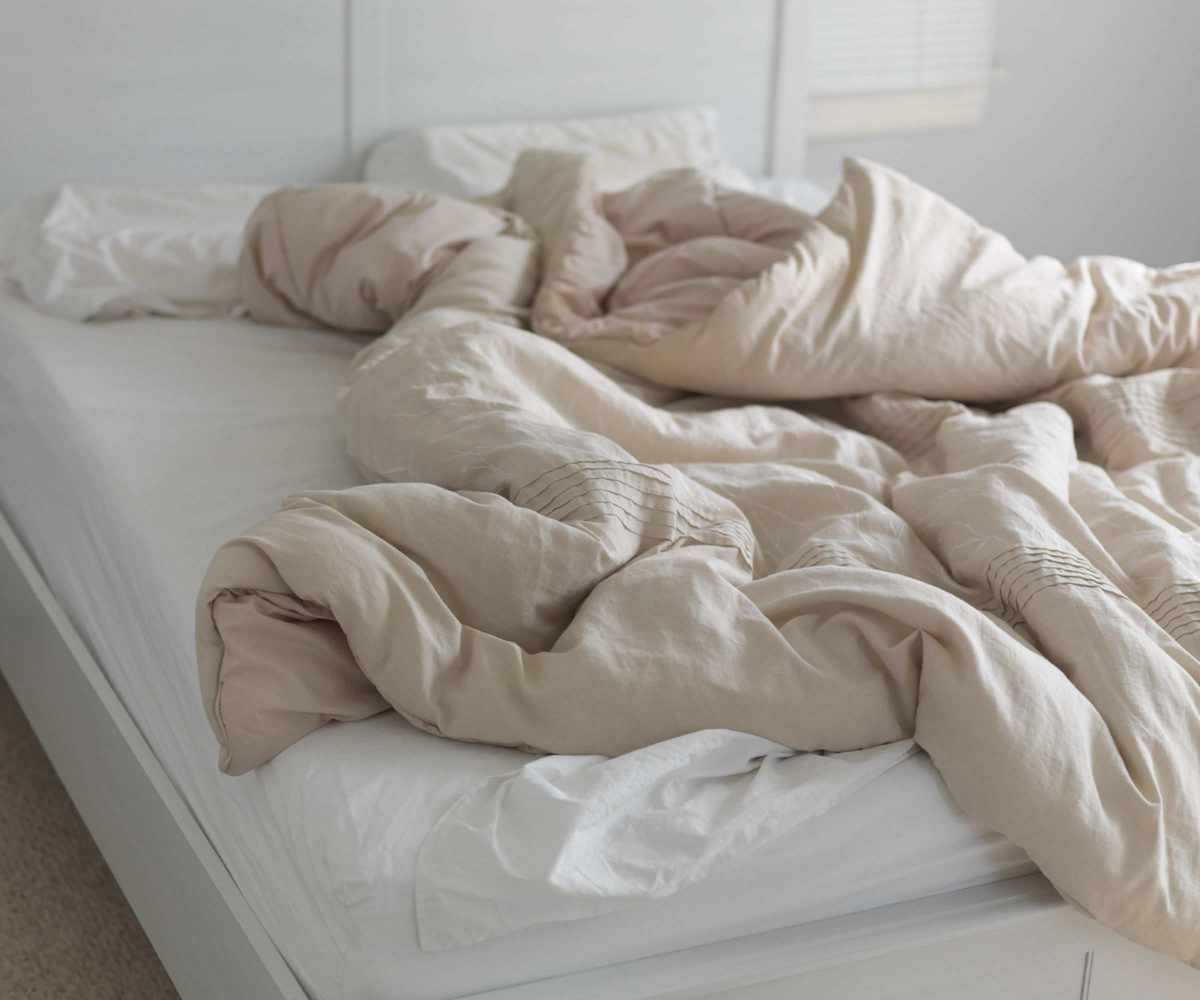
Phillip Hord, co-founder of Horderly Home Organizing, notes, "A cluttered house can exacerbate feelings of sadness. While it's not the sole cause, it can contribute to a negative mindset."
On the flip side, depression can lead to a messy home. If you notice signs of this in yourself or someone you care about, consider offering assistance or suggesting professional help if they feel lost.
To combat a chaotic environment linked to low moods, accepting support and taking small initial steps toward organization can be beneficial. After all, a tidy home may boost your happiness, even if just a little.

People often think about ways to prevent messiness, but if you're feeling overwhelmed, it's crucial to acknowledge that this may be more difficult than it seems.
Psychologist Kim Grubbs, founder of Downsize Matters, emphasizes the emotional burden tied to decluttering. "Facing a cluttered home can lead to feelings of despair, as the solution appears daunting. Many items have sentimental value, making the prospect of letting go difficult.
"An outsider can often help clear clutter more efficiently since they lack the emotional ties. However, discussing feelings of grief and loss before beginning the decluttering process is essential. Viewing this as an opportunity to gain freedom from excess can shift your willingness to start the journey."
How to Begin Organizing an Untidy Room
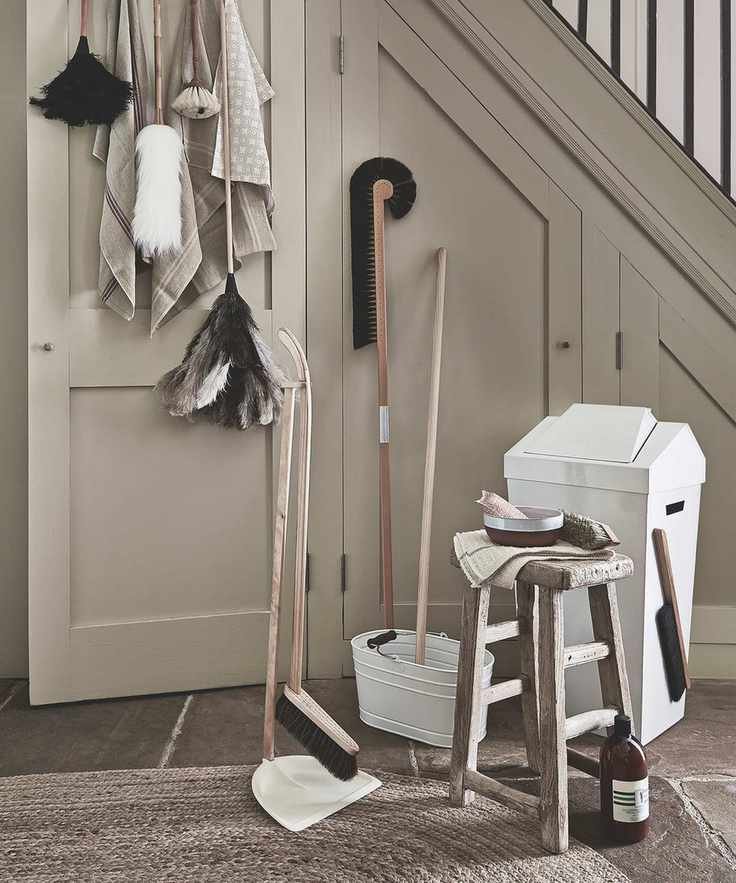
A good starting point for decluttering when feeling overwhelmed is to identify which areas of your home matter most. It might be your kitchen, bedroom, or living room—wherever you spend the most time. Start small and set achievable goals, preferably with someone who can assist you.
Kim advises, "My top tip for any organizing project is to begin by discarding trash in one specific area before moving to another location. Closets and laundry rooms are excellent places to start."
Another key step is to refrain from comparing your home to others. This is one of the most common decluttering pitfalls, especially with the prevalence of 'perfect' homes showcased on social media. Reflect on what has previously worked for you and what isn't effective now. Remember, your home doesn't need to be immaculate to improve your mood.
If you feel your mental health needs attention, many resources are available across the US, including Mental Health America, which can guide you to appropriate services, and The National Council for Mental Wellbeing, which helps locate local mental health centers.
Does a Tidy Home Enhance Mental Health?
Studies indicate that your environment significantly influences your mental well-being, with cluttered or dirty homes often correlating with poor mental health. Improving your surroundings, whether independently or with assistance, can help foster better mental health.