10 Expert Tips for Decluttering Before Your Move
Moving can be thrilling yet challenging. Packing up your home feels overwhelming, but it doesn't have to be. Simplifying the process through decluttering beforehand can streamline everything.
Though it might seem like extra pressure, effective decluttering offers significant advantages. Fewer items mean less to move, saving time and costs while providing a clean slate in your new space.
Shannon Krause, a professional organizer, advises, 'The key is to only pack what you truly want and need for your new home. While it may seem like more work during packing, it greatly eases the unpacking process.' Starting with a clear plan sets a positive tone for your organizational journey.
Decluttering Before Moving
Whether you're upsizing or downsizing, letting go of belongings can be tough. We consulted experts for their best decluttering strategies and common pitfalls to avoid, so you can transition into your new chapter clutter-free.
1. Give Yourself Ample Time
When it comes to decluttering, starting early is crucial. Rushing can lead to decisions you may regret later. Aim to begin at least three months prior to your move, but the earlier, the better.
Starting early ensures that by moving day, you're only bringing along items you genuinely want. If you're pressed for time, consider hiring professionals to assist, suggests Laura Price, another professional organizer.
Schedule regular decluttering sessions, and set achievable goals to maintain motivation.
2. Organize Your Plan

Planning is vital for a stress-free decluttering experience. Create a checklist of necessary supplies like trash bags, boxes, labels, and cleaning materials, ensuring you have everything before starting.
Consider how to handle unwanted items. If you have a lot to discard, arranging for a skip bin could be wise. For donations, local charities often offer collection services, so book a time close to your move.
3. Tackle One Room at a Time
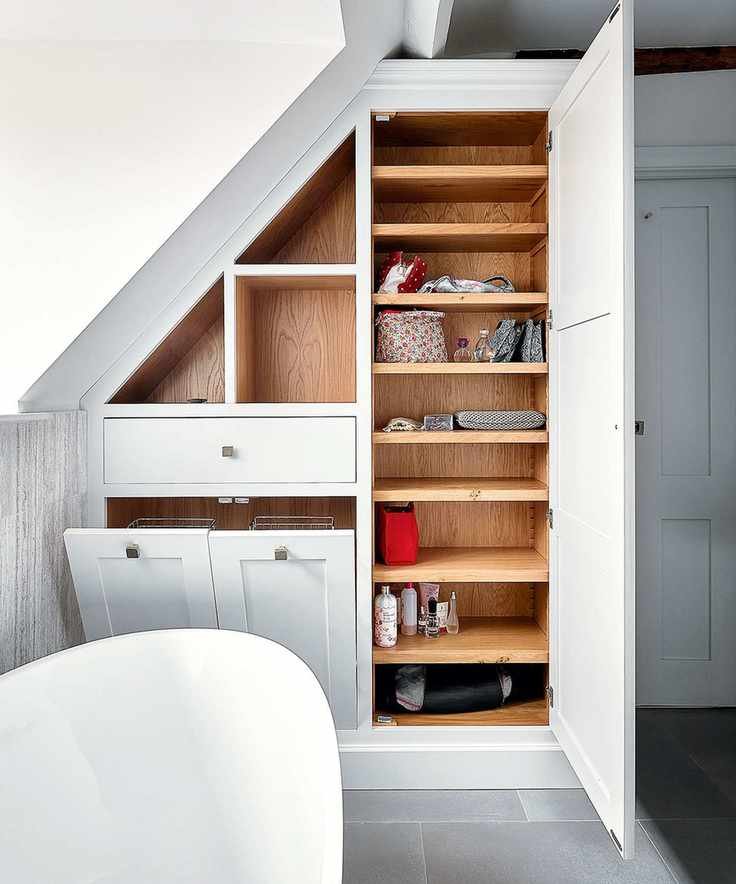
A methodical approach works best for decluttering. Focusing on one room at a time helps manage the task without feeling overwhelmed. Generally, dedicating about a week per room is a good guideline.
Starting with simpler spaces, such as a bathroom, can boost your confidence. 'Bathrooms are often clutter-free zones, making them a great starting point for tossing out expired products,' notes life coach Ari Shaffer.
4. Don't Delay on Clutter Hotspots
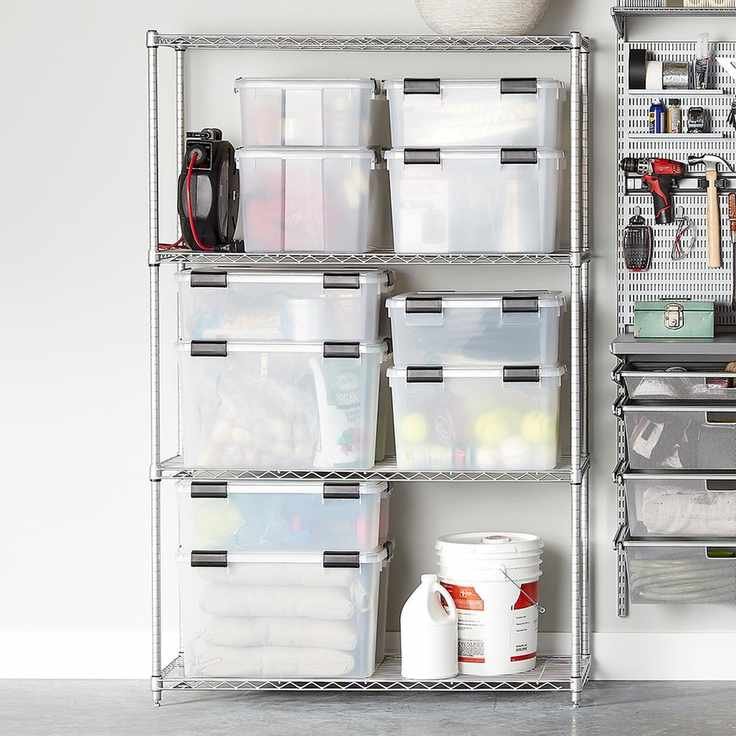
While spaces like garages and attics might seem daunting, they can be easier than expected. These areas often hold items that haven't been used for years, making them prime for decluttering.
Experts recommend addressing these areas early, even before listing your home, as clearing them can enhance your home's overall appeal.
5. Pack Simultaneously
Once you've identified what to keep, consider packing non-essentials right away. While everyday items will need to stay accessible, many belongings like books and seasonal decor can be boxed ahead of time.
Use smaller boxes to prevent strain during your move, grouping similar items by room and clearly labeling each box.
Designate a less-used area for packed boxes to keep your main living spaces clear.
6. Use the Sticker Method
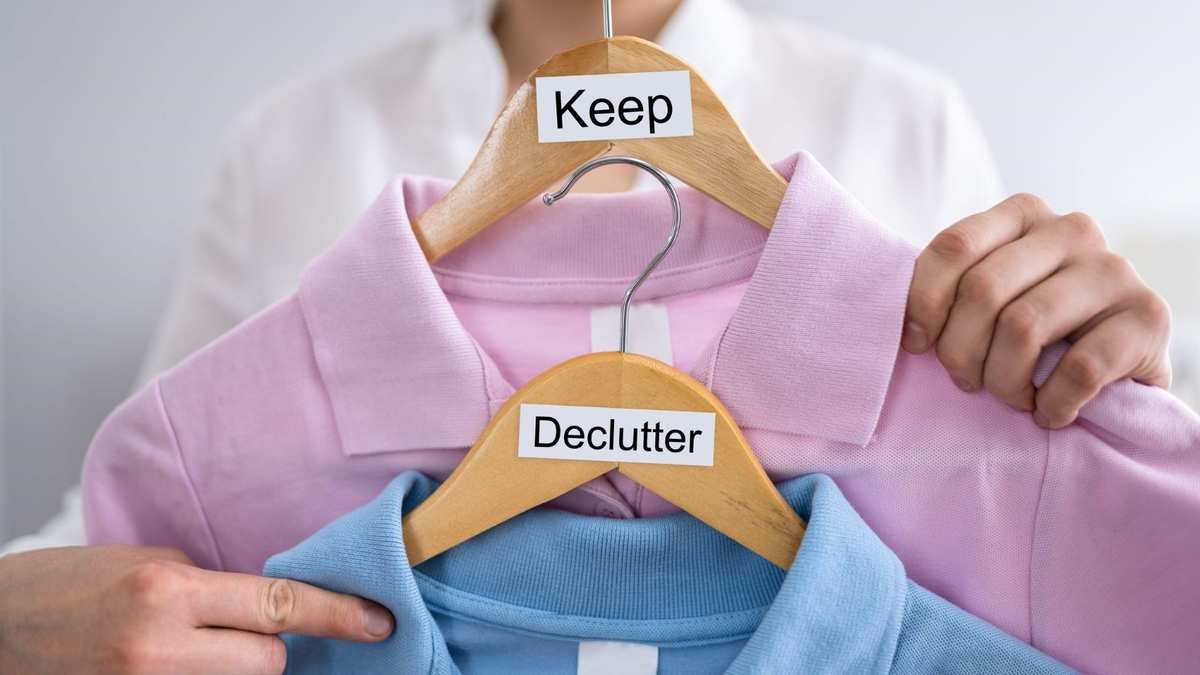
You may have items you want to keep temporarily, such as furniture. The sticker method helps you identify what to eventually remove without immediately separating it. Label items with colored stickers, so you can plan their removal when the time is right.
7. Measure Your New Space
Knowing the dimensions of your new home can greatly aid your decluttering efforts, especially for larger items. Avoid the hassle of moving things that won't fit later by assessing what you might be willing to part with.
8. Consider Your New Lifestyle
A move often signals a fresh start, which may not require all the items you previously had. 'Reflect on your new goals and needs,' suggests organizer Katherine Blackler. 'Ask whether your belongings align with your vision for this new chapter.'
Also, think about practical factors, such as relocating to a different climate, which may change your needs.
9. Stop Acquiring New Items

As your moving date approaches, try to minimize new acquisitions, including food. By now, you should have organized your pantry and fridge, making it a great opportunity to consume what's left.
Before moving, do a final sweep for expired items, especially perishables, toiletries, and cleaning supplies.
10. Organize Your Paperwork

Piles of paperwork can clutter your new space if not managed ahead of time. Gather all documents in one place and sort through them to keep only what's essential.
Many manuals and instructions are now available online, so dispose of paper copies when possible. Consider scanning important documents for digital storage, but remember to keep hard copies of vital records like birth certificates. Shred any sensitive documents to protect your privacy.
What's the Best Way to Declutter Before Moving?
Work through your home one room at a time, categorizing items into 'keep,' 'donate,' 'recycle,' or 'discard' piles. Box up non-essentials that you won't need until moving day, and dispose of unwanted items as you go.
Where Should You Start Decluttering When Moving?
Begin by decluttering and packing simultaneously, focusing on less frequently used rooms first. These spaces often contain fewer essential items, allowing you to box them up in advance. Consider tackling drawers, cabinets, or small collections of items like books or decor first.
'I recommend addressing hard-to-reach spots first as they often hold forgotten items. Be discerning about what you keep,' suggests organizer Sarah Dunn.
If you feel overwhelmed, starting with an easier area like a bathroom can help build momentum for tackling more challenging spaces.